"Ted Kubaitis: Referring Domains and Multi-Channel SEO"
Ted Kubaitis reframes Search Console as a link diagnostic, shares a 25-referring-domains-per-product feed trick, and walks an AI workflow for finding channel gaps.
On this page
- Main takeaways
- Key points
- Ted Kubaitis, framing
- Merchant Center product-feed microsites
- Search Console as a diagnostic tool
- N-to-one vs N-to-many link signal
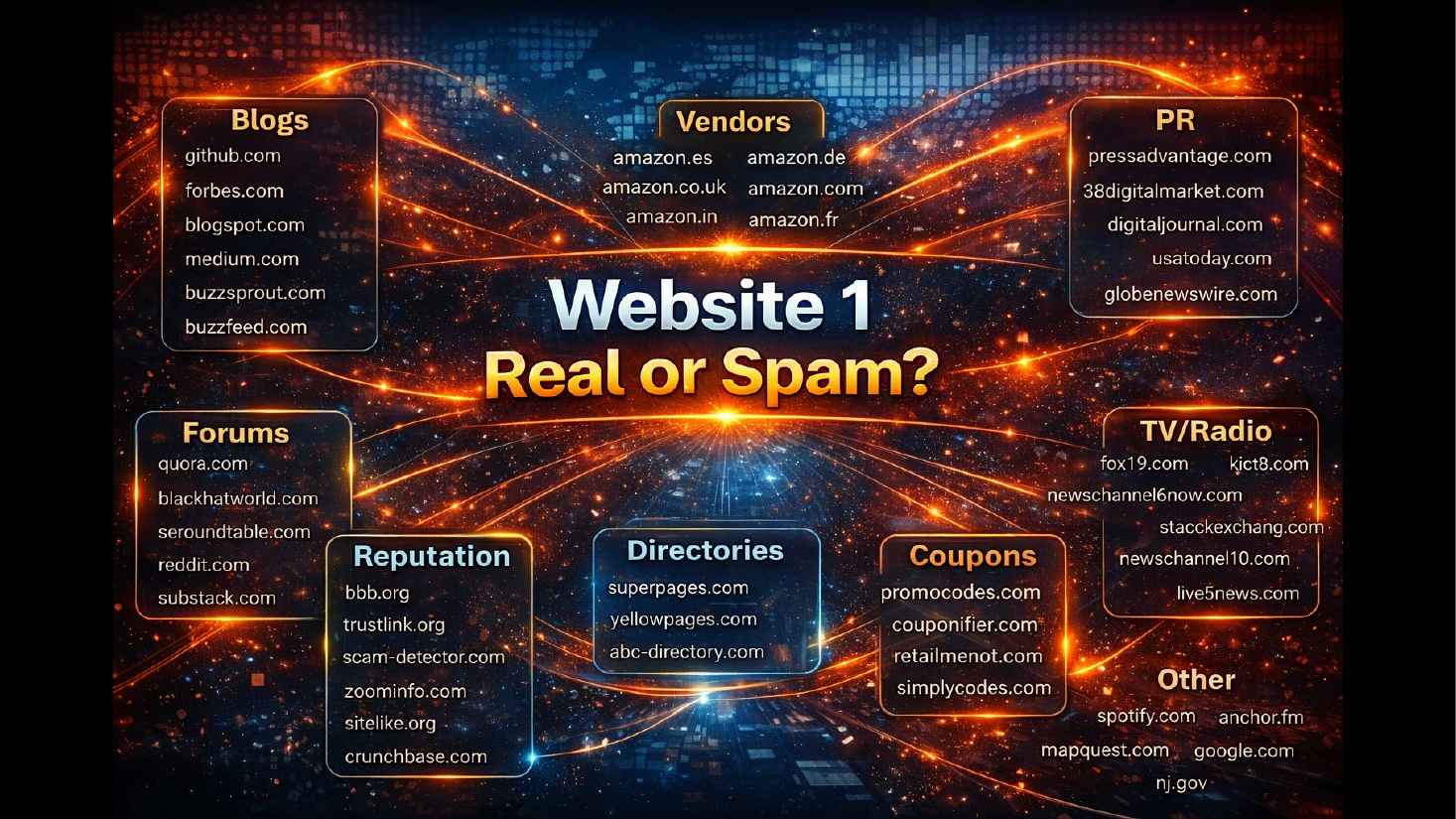
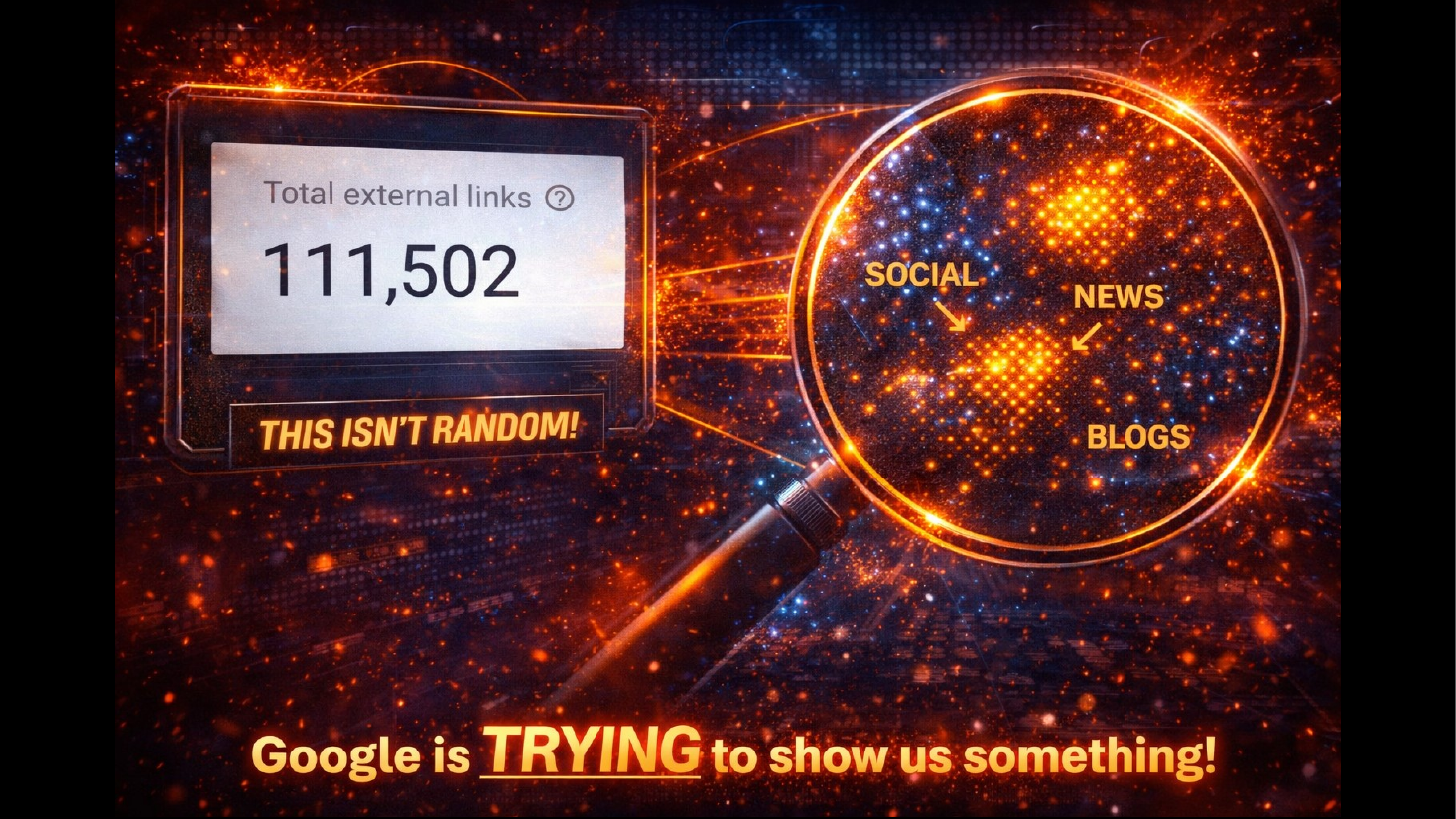
- Non-random clustering, Google's accidental signal
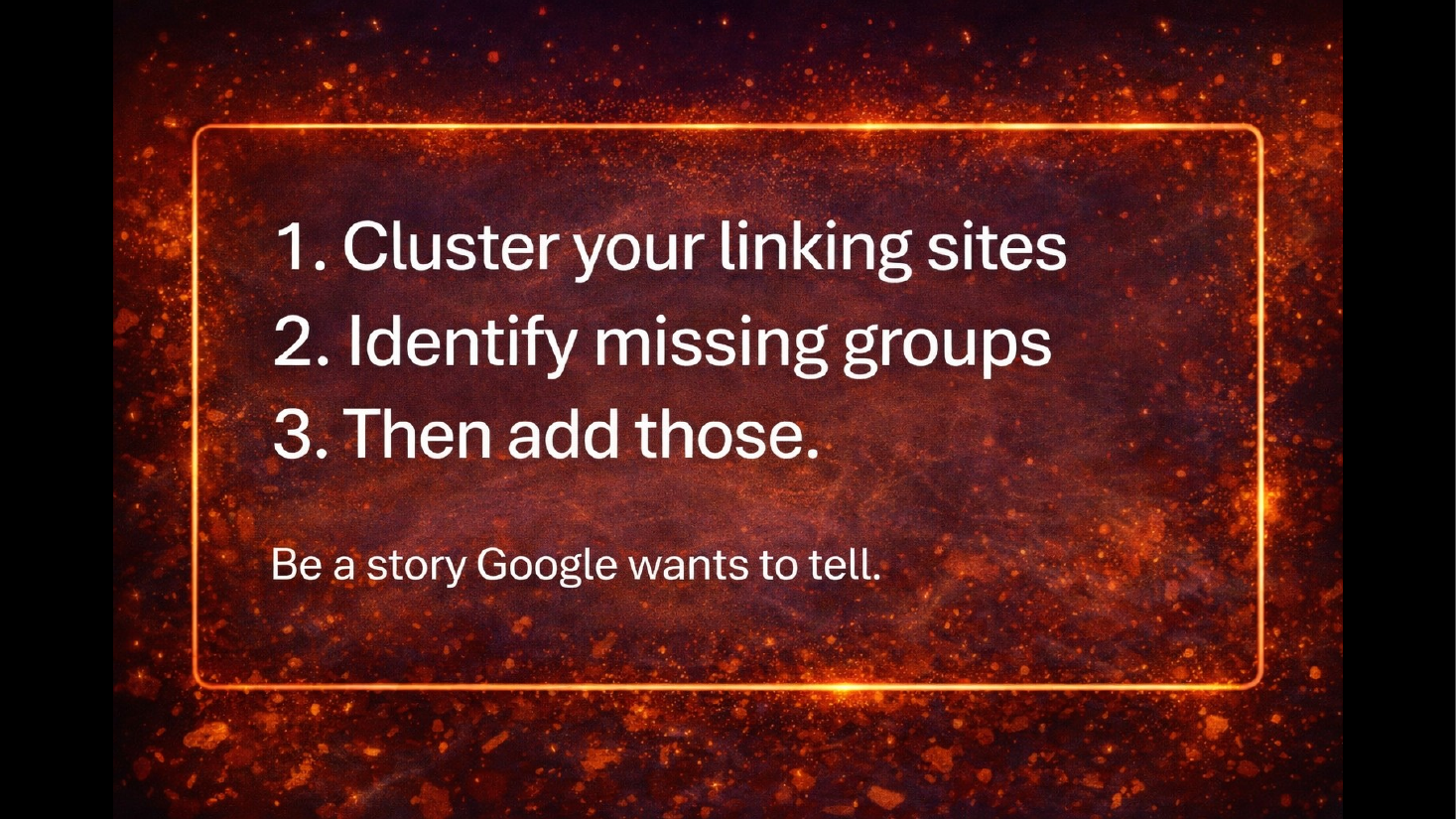
- AI backlink-clustering workflow (three levels)
- Actionable link-opportunity types (from the Level 3 table)
- Referring domains as a local SEO play
- Diversification, closing argument
- Moderator / introducer (name not given)
- Named people, tools, formats
- Slides
- Source
On Day 3, Ted Kubaitis (creator of Cora and Cora Light, host of SEO Fight Club) argued that SEO has become a multi-channel discipline and that referring domains are a signal Google is accidentally handing you through Search Console. He gave away the source code for a self-managing Merchant Center product-feed microsite script (a PHP site that turns a product feed into 25 satellite micro-stores so every product automatically earns 25 referring domains), then reframed Search Console as a diagnostic rather than an analytics platform. The centerpiece is a three-step AI workflow that clusters your Search Console link export into channels, surfaces the clusters you are missing, and turns those gaps into a concrete link-building table. He closed on diversification: leaning on organic for most of your revenue is dangerous.
Main takeaways
-
SEO is now multi-channel, and referring domains are the connective signal. Social, video, news, PR, and local are channels Google reads through your link profile. The off-page job is to be present across all of them, not just to chase organic.
-
A self-managing Merchant Center product-feed microsite gives every product 25 referring domains automatically. A small PHP script points at a hosted Merchant Center product feed and builds a micro-store; deploy it on 25 separate domains and every product launch or sell-out propagates to all 25 sites without manual work. Ted gave away the source code and said he will never share it again.
-
25 referring domains is the rough threshold to beat an Amazon product page. From 17 years of in-house e-commerce SEO, Ted found Amazon product pages usually carry zero external backlinks, so you mostly contend with domain authority. Getting 25 referring domains per SKU is how he beat them across a 50,000-SKU catalog.
-
Search Console is a diagnostic tool, not an analytics platform. Google samples the data (some good, some bad, some average) to surface problems, so treating it as analytics is dangerous. Ted reads it like a BI person (a lens he credits Clint with) to find what the data is accidentally telling you.
-
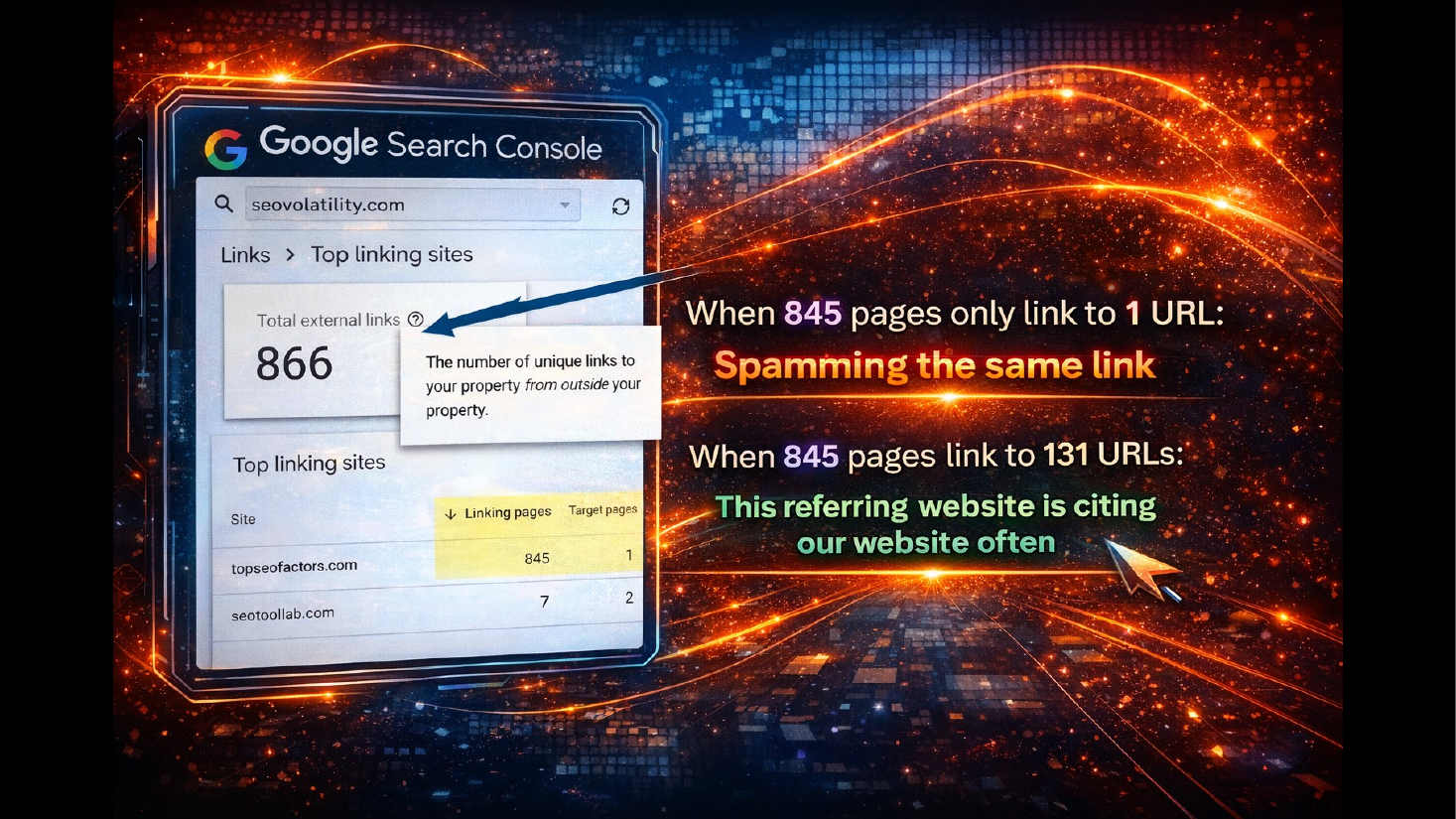
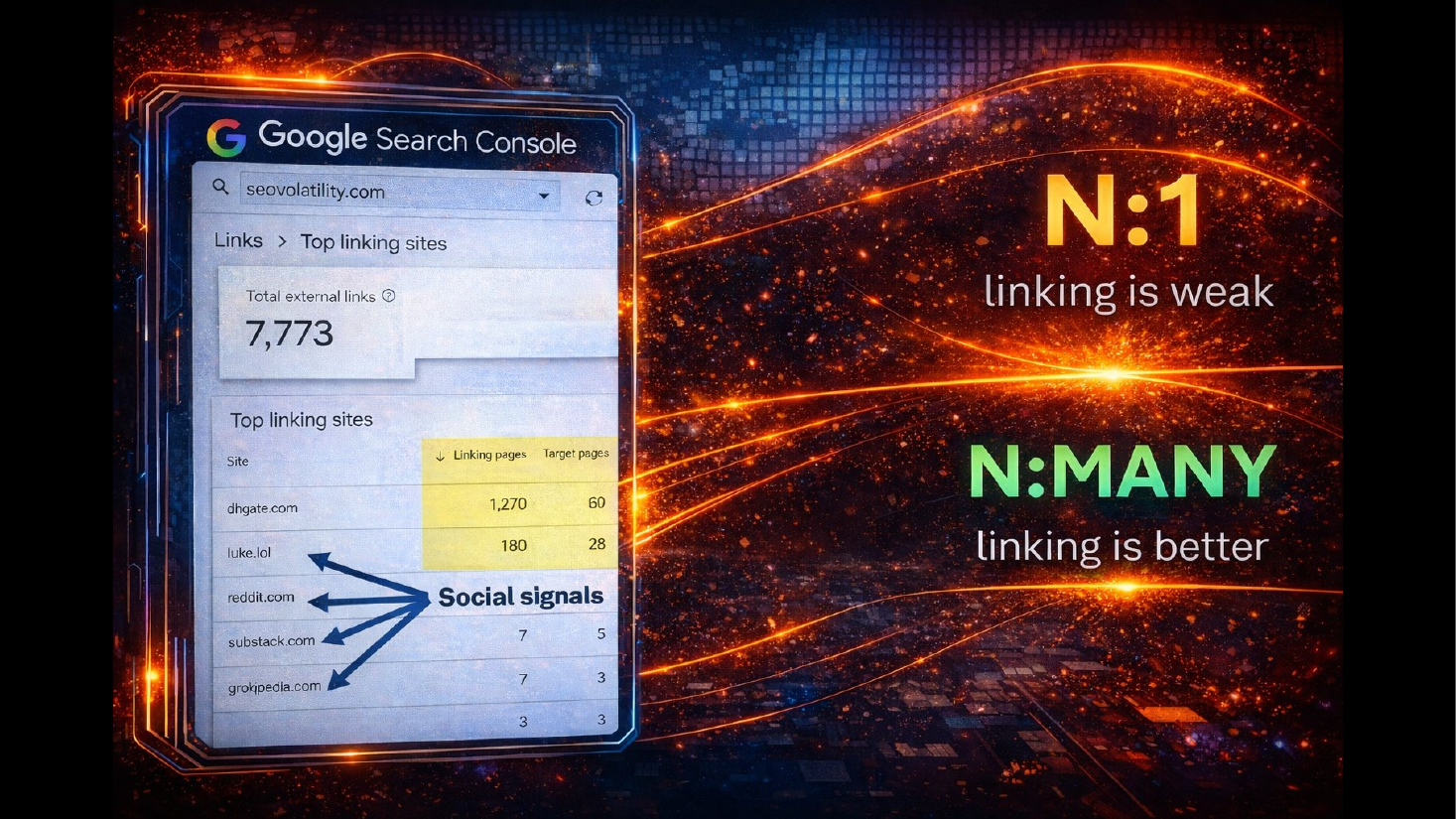
Read the top-linking-sites report as N-to-one versus N-to-many. Many pages pointing at a single page on your site is a weak, spam-like signal; many pages pointing at many of your pages is a much stronger "the web is quoting us" signal. You want to be in the N-to-many group.
-
The clustering of a site's backlinks is non-random, so Google is telling you something. Manually grouping roughly 1,500 of 100,000-plus backlinks produced even clusters of about 6 to 12 examples per category instead of the lopsided distribution randomness would produce, which Ted reads as Google's own categorization leaking through.
-
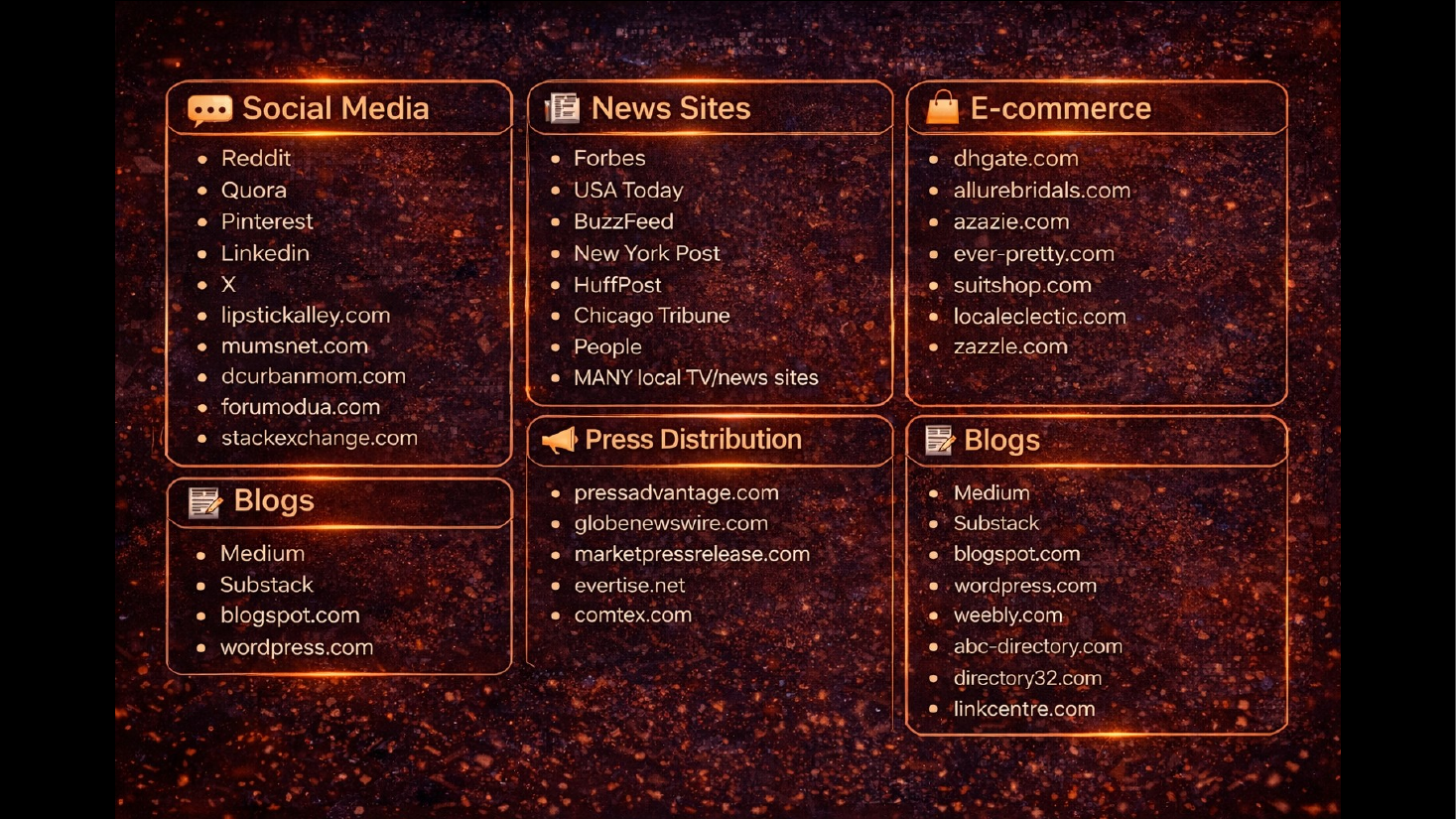
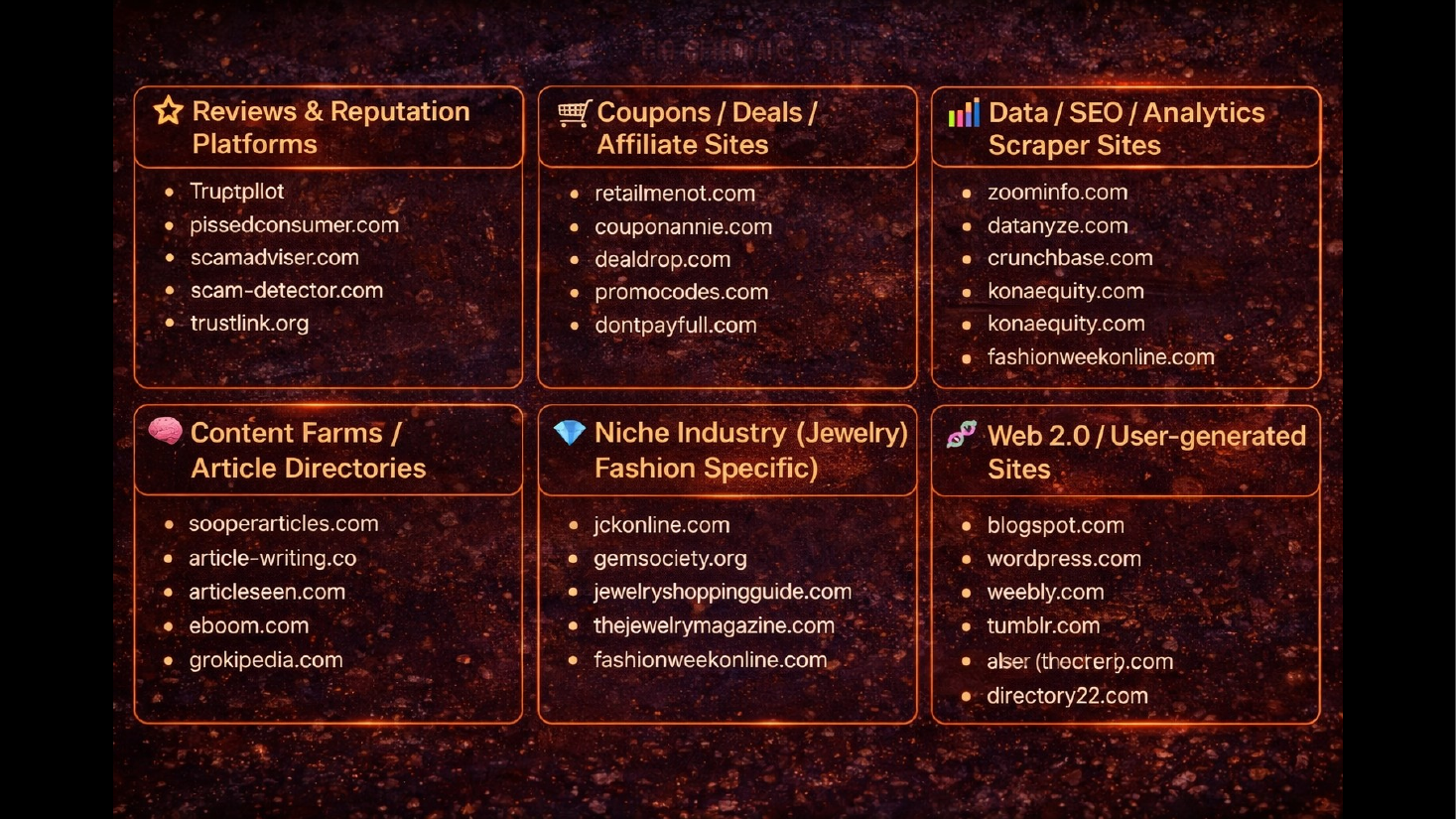
Use AI to cluster your Search Console link export into channels. Paste the export and prompt AI to group linking sites (social, news, blogs, merchants, PR, reputation, reviews, coupons, scrapers, Web 2.0, niche industry, content farms, article directories, and the like) to see your real link footprint.
-
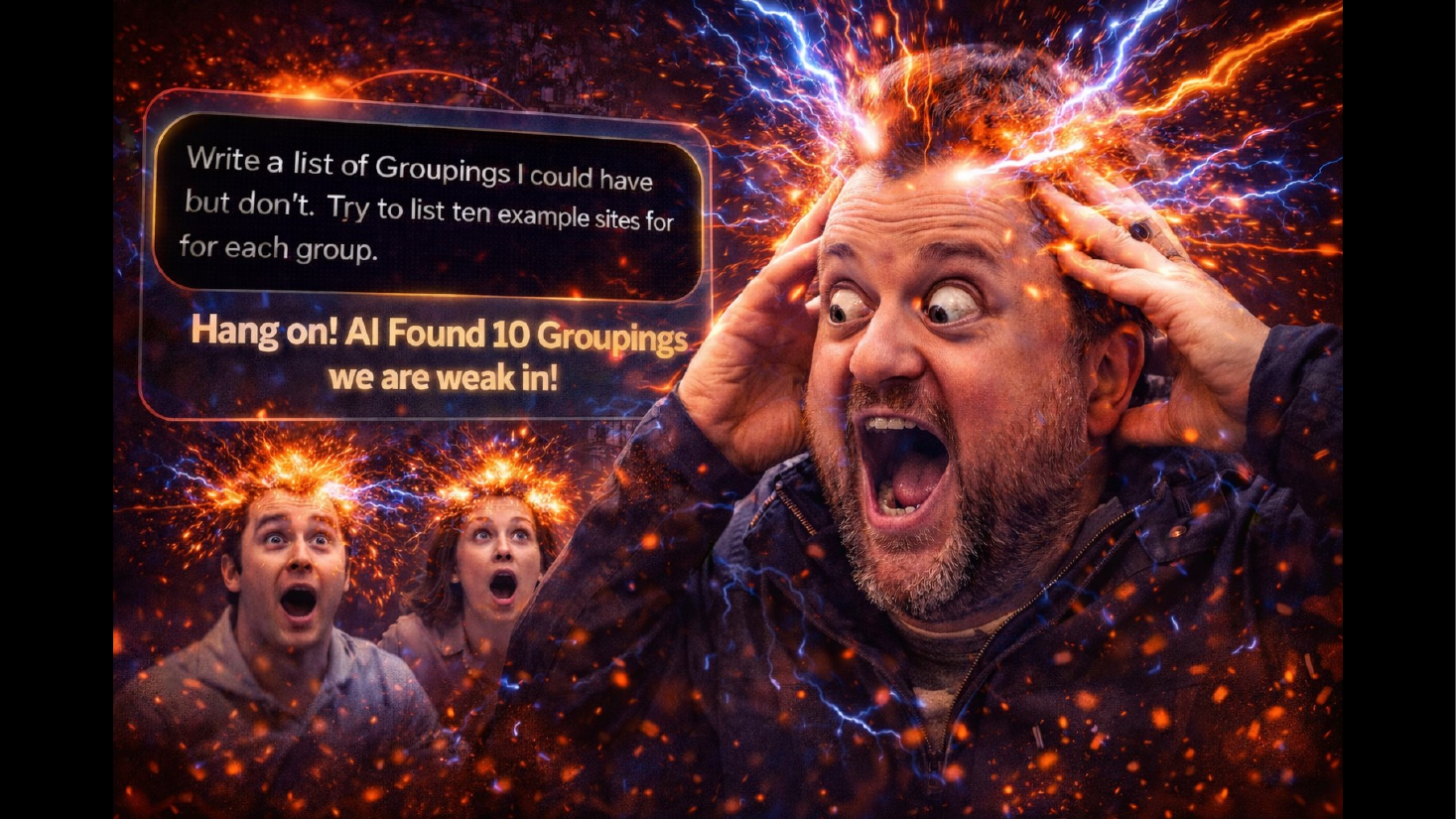
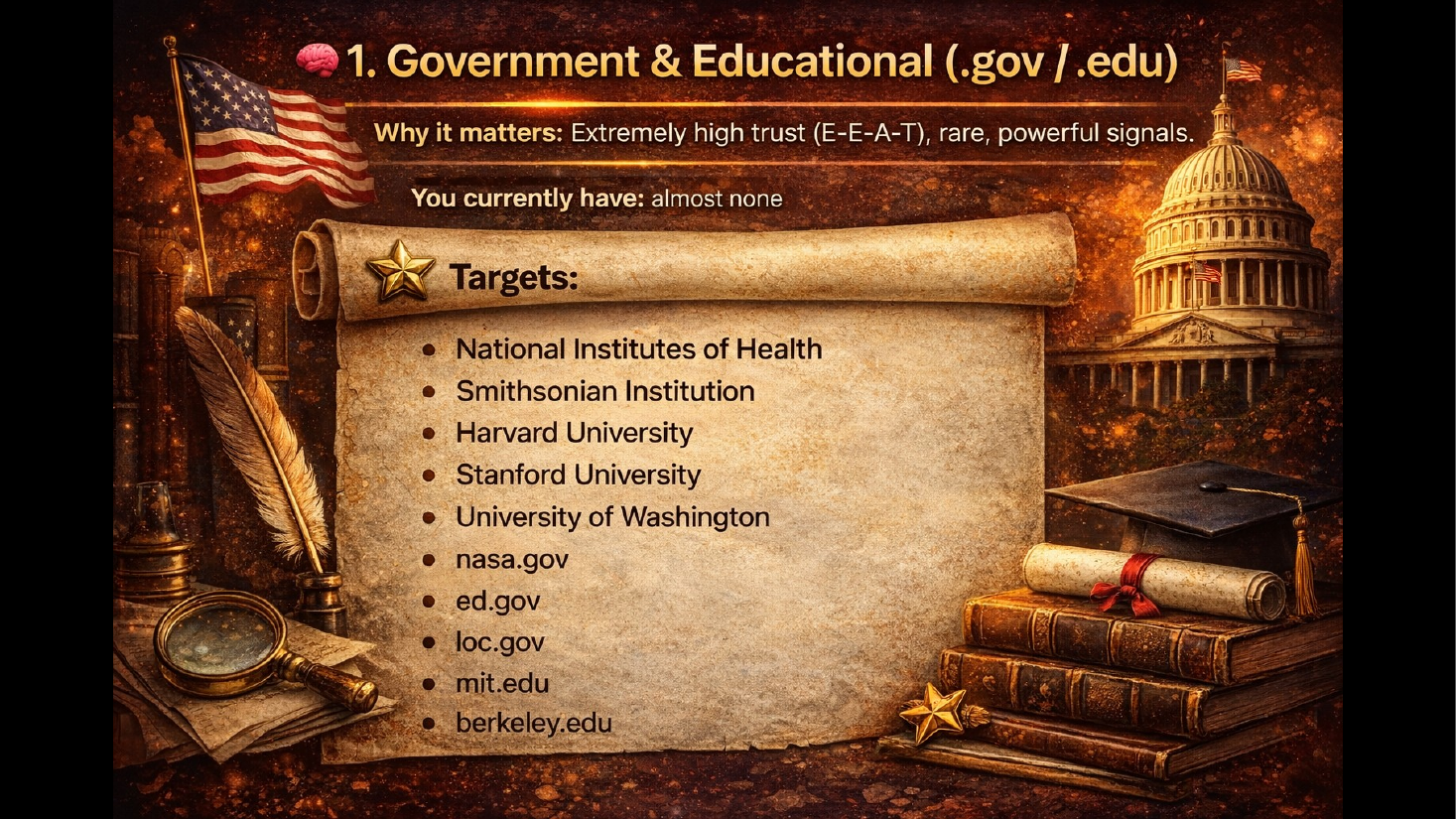
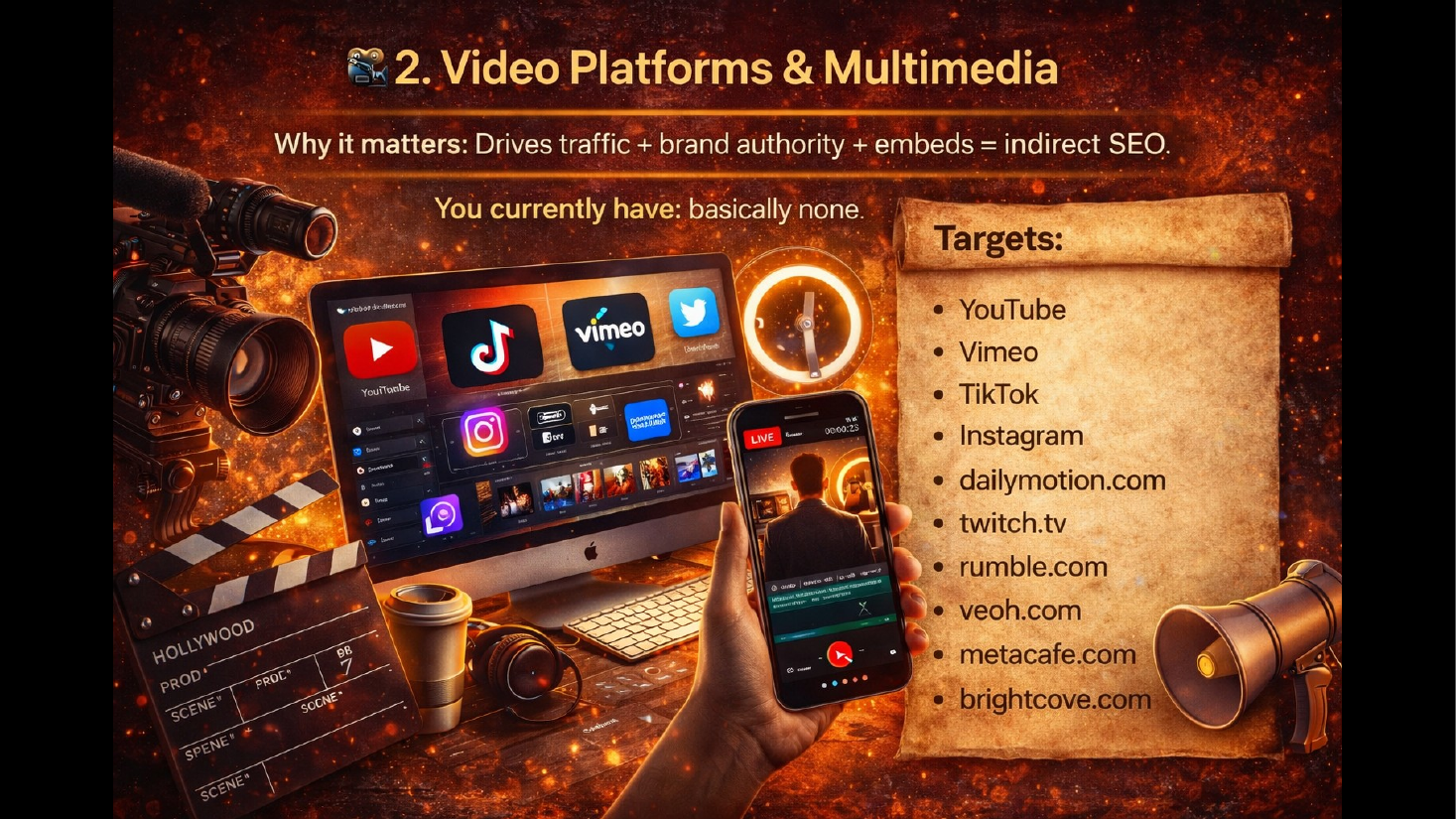
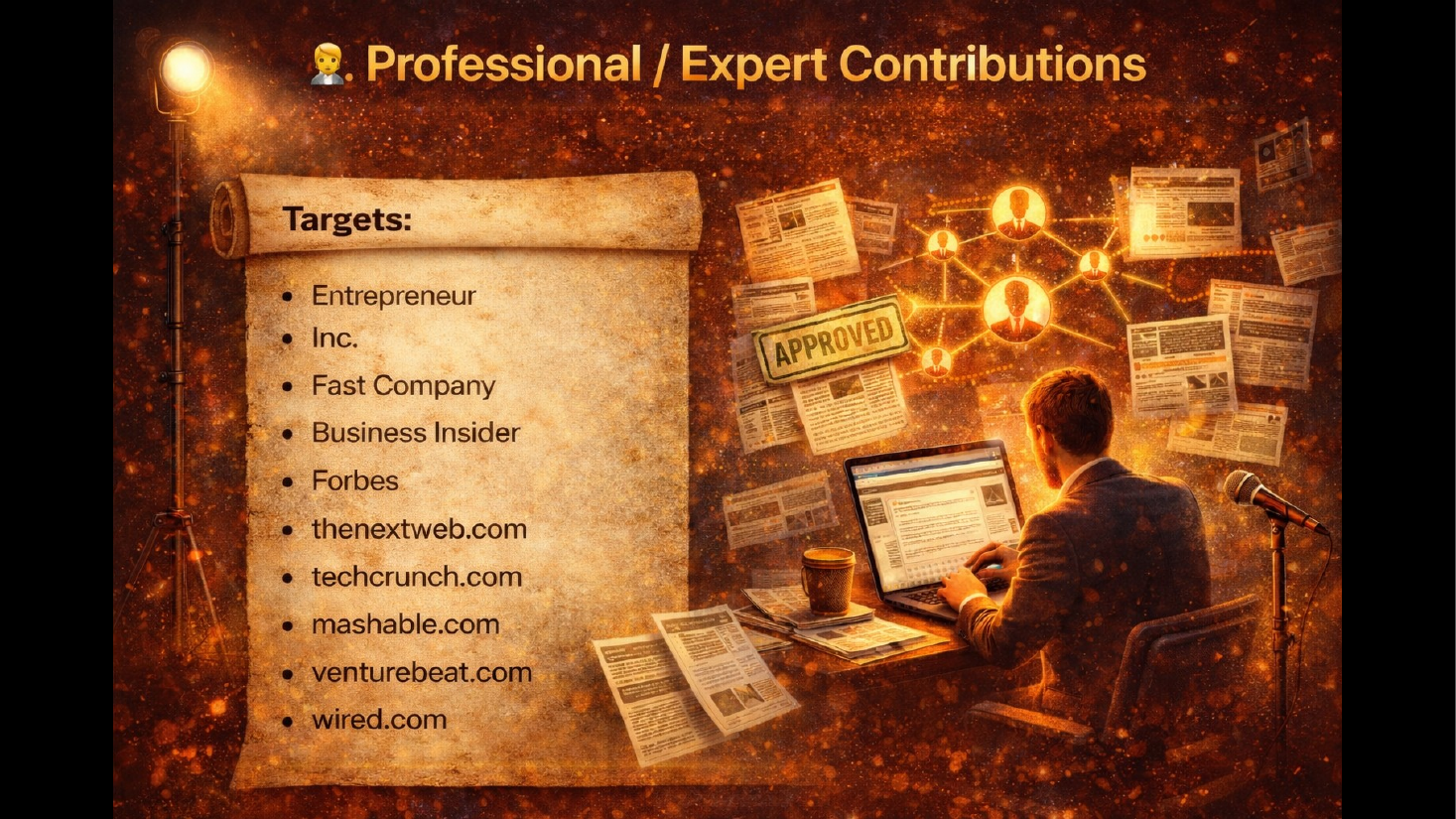
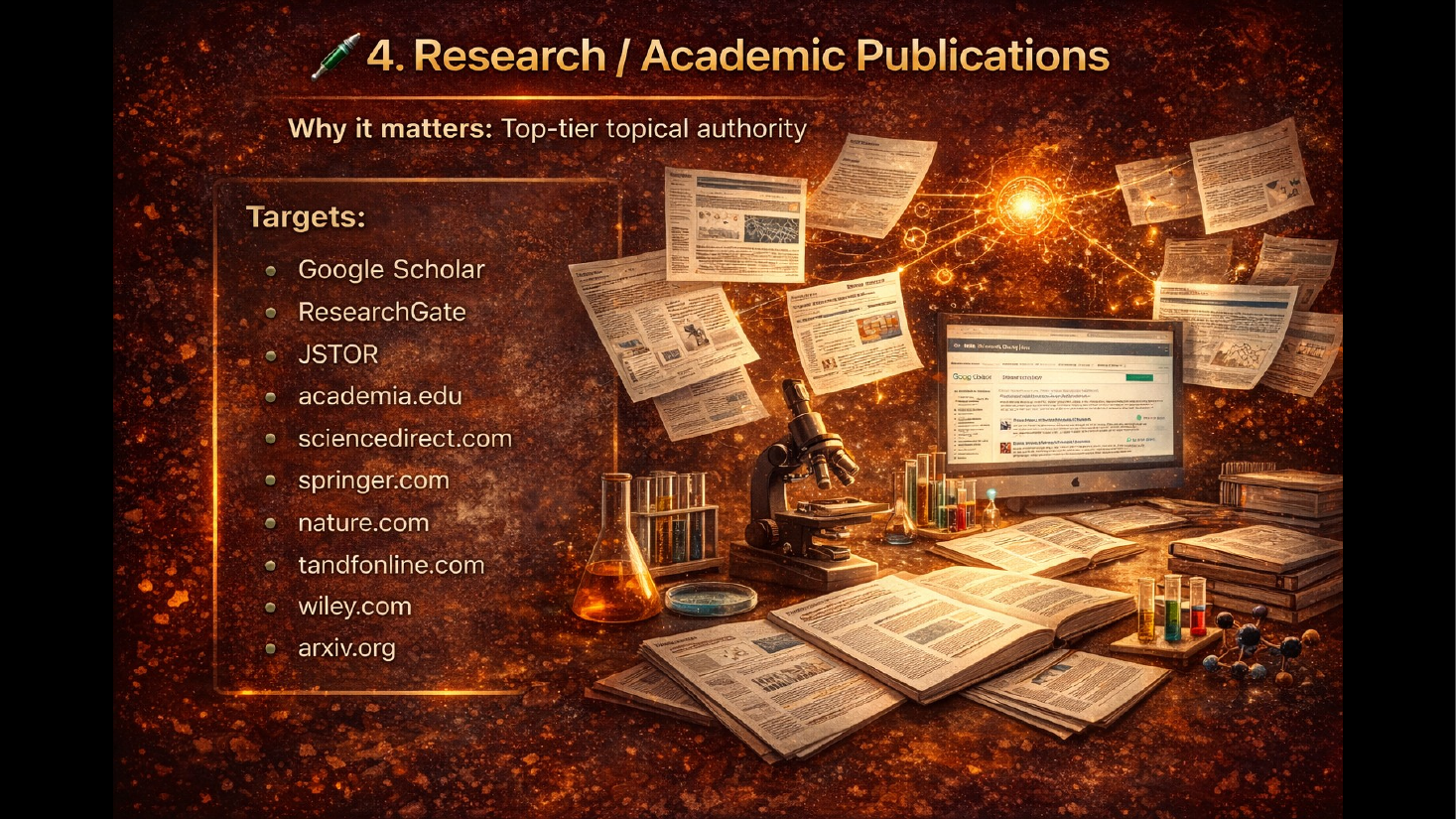
Then ask AI which clusters you are missing, and for an actionable table. A second prompt lists groupings you lack (government, video platforms, expert contributions, academic, integrations and partnerships, awards and best-of, podcasts, communities); a third asks for a table of example sites, the easy-to-get link type, contact author names, and a sample URL, which functions as a link-building guidebook.
-
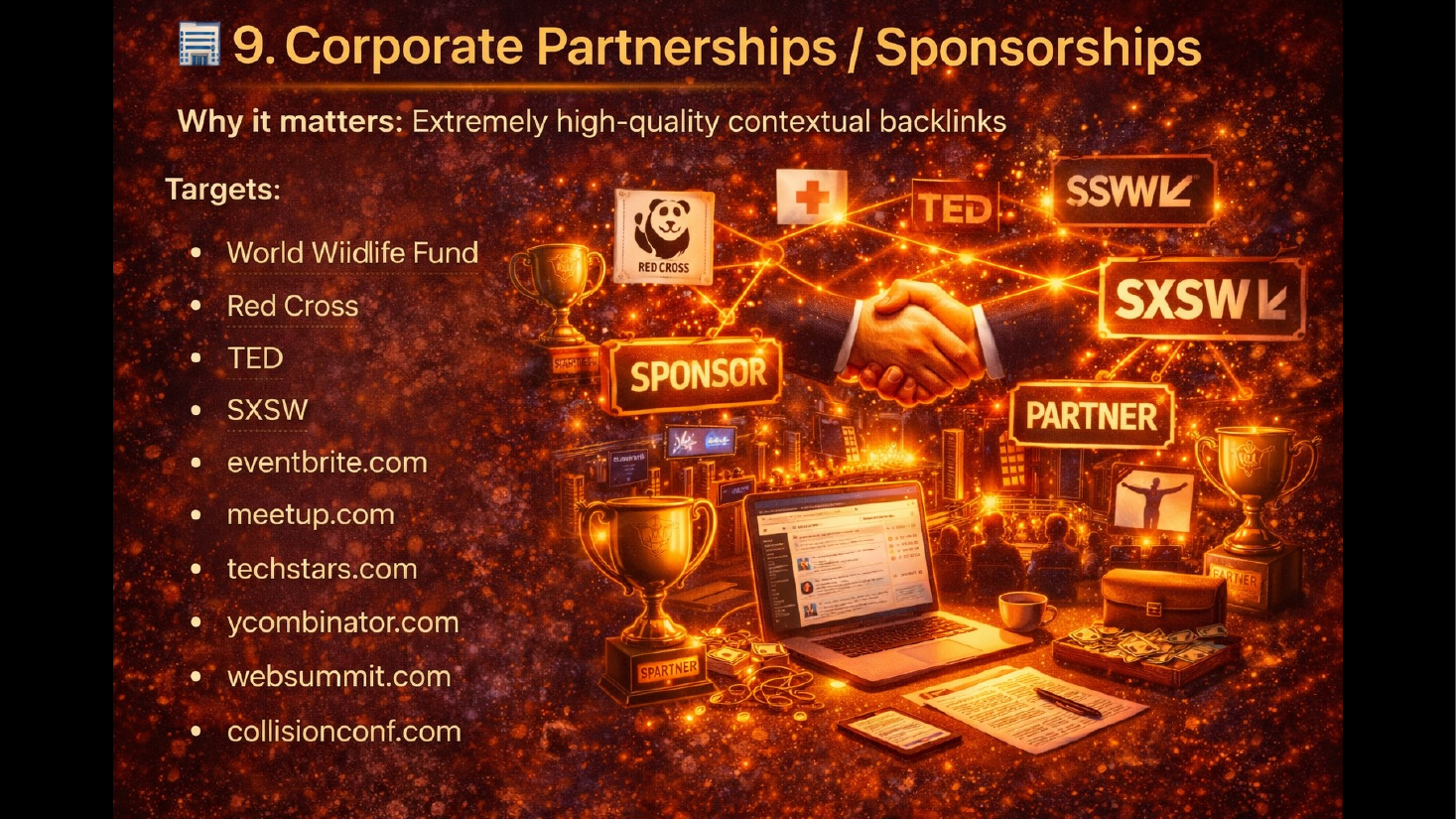
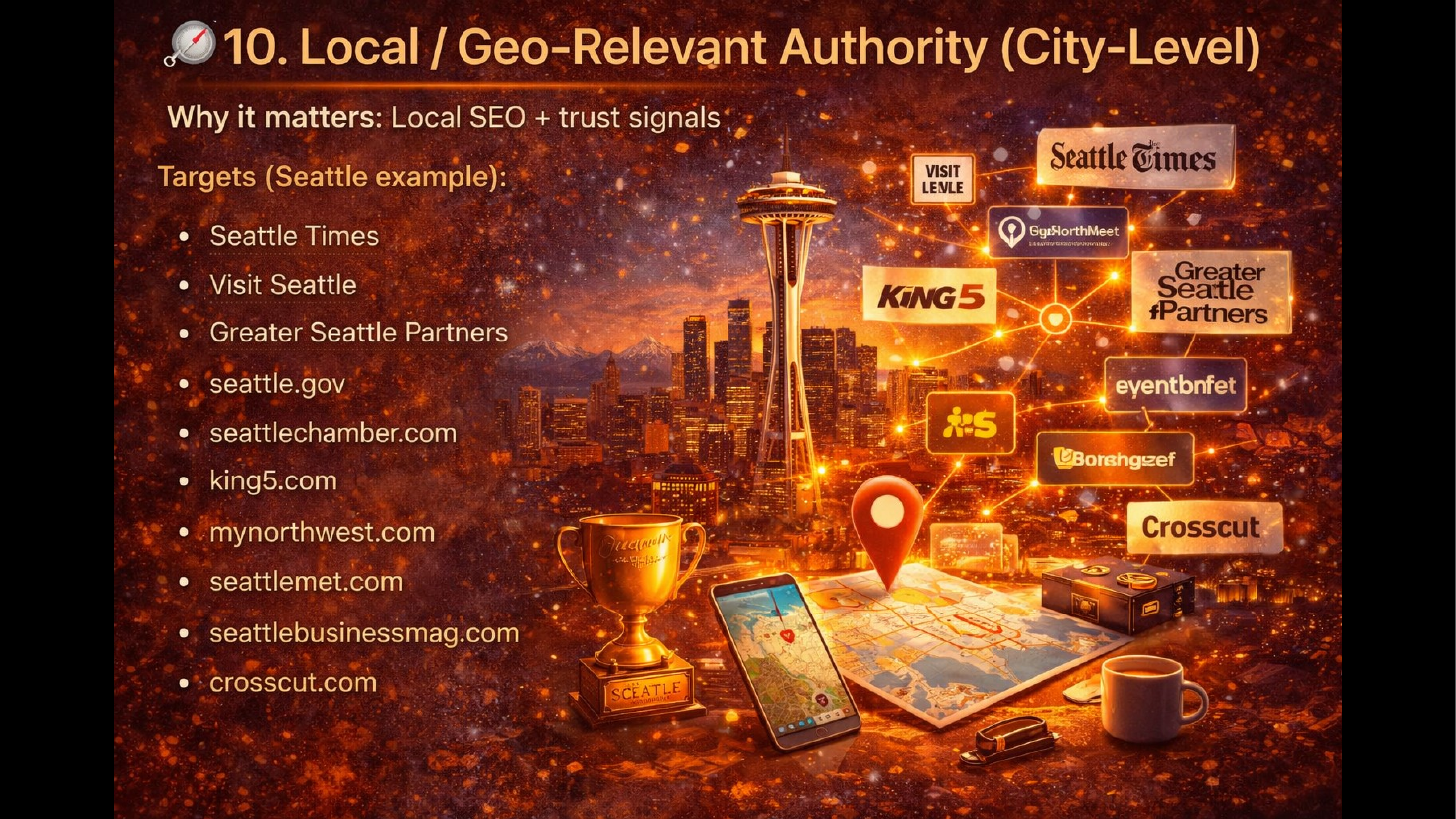
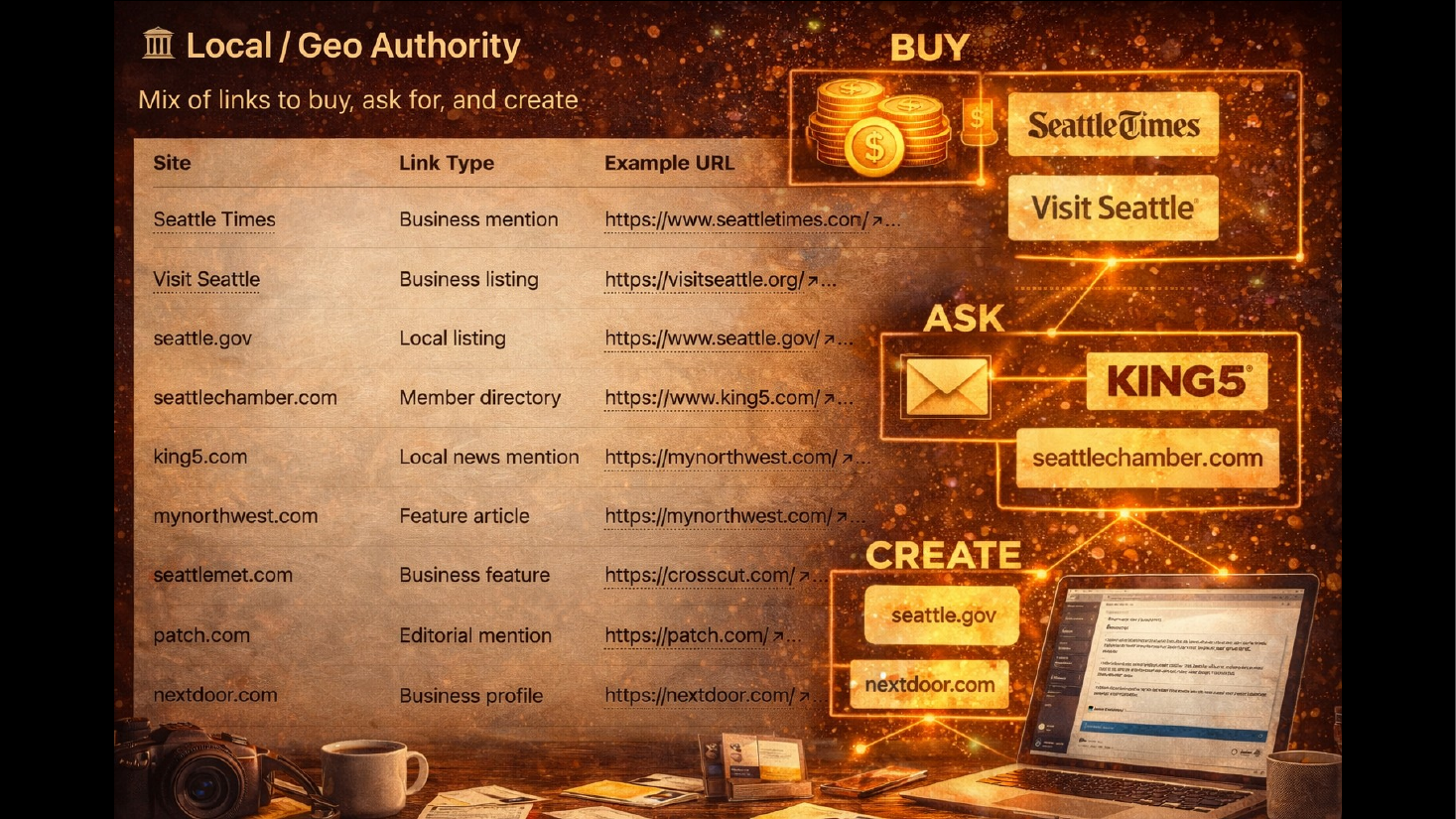
Referring domains are a local SEO play. A real backlink profile betrays its city (Ted's example footprint was unmistakably Seattle: Seattle Times, Visit Seattle, Seattle.gov, Seattle Chamber, KING 5, and more), and you can push it down to the neighborhood level by creating neighborhood one-pager domains that point at the business.
-
Diversify off organic or risk being wiped out. In healthy online retail Ted has seen about 50% of gross revenue from email, about 25% from social, plus PPC, with organic around 15% at its height. If organic is about 60% of your revenue, all your eggs are in one basket and Google will hand out less free traffic over time.
Key points
Ted Kubaitis, framing
- Topic: referring domains and multi-channel SEO. Ted's claim is that SEO has become a multi-channel discipline, echoing points other conference speakers raised (social, video, press, news platforms).
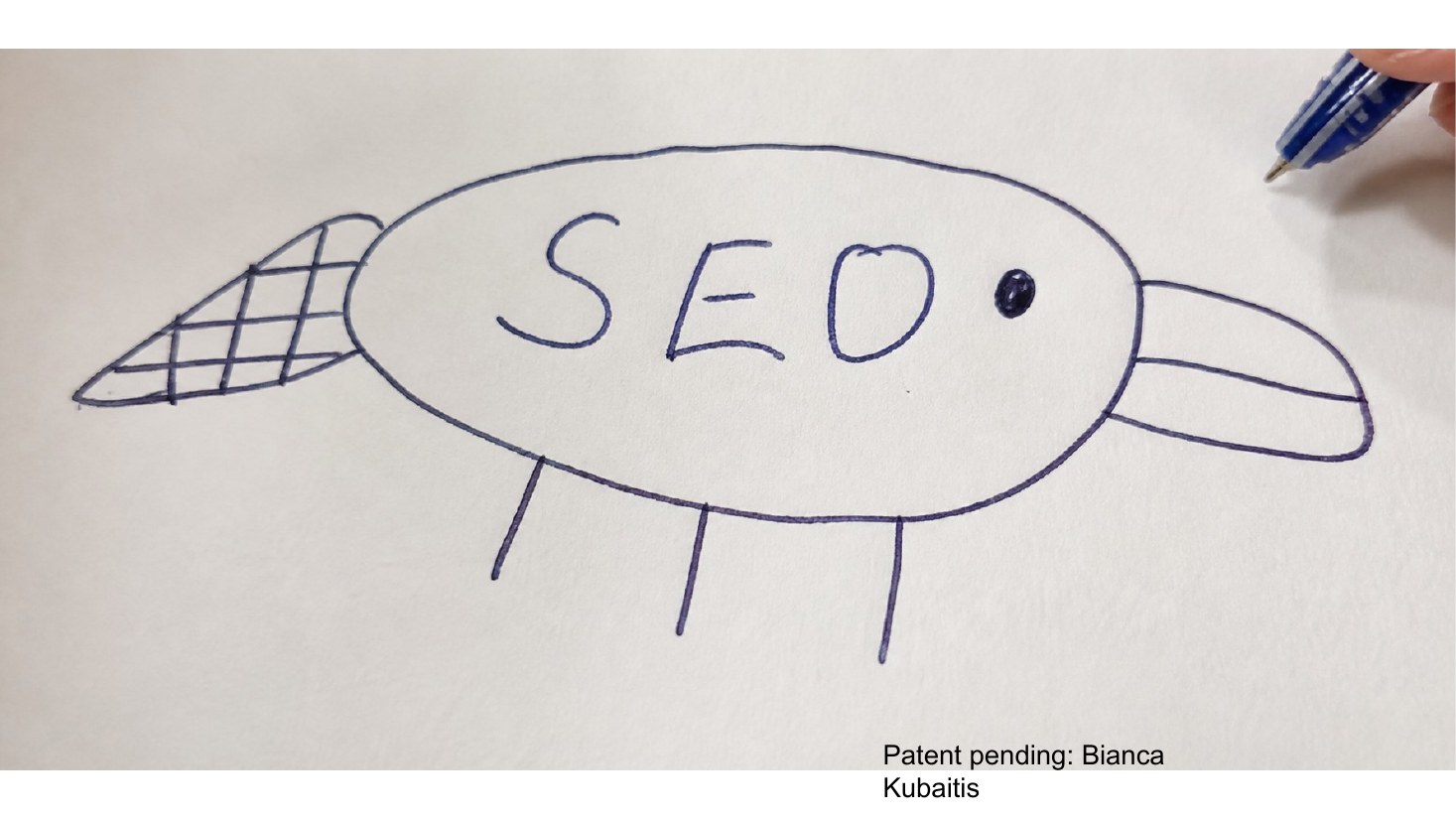
- Slide-1 deck credit: "Patent pending: Bianca Kubaitis" (likely the daughter Ted references; the transcript names a daughter who supplied a doodle but does not name her). Ted joked AI is a "platypus-bear-octopus-shark chimera" because SEO mixes content, design, programming, management, and administration.
- Ted said his slides have "almost nothing of value" except "a couple really bad prompts."
Merchant Center product-feed microsites
- Deliverable: source code for a Merchant Center product-feed microsite, a small PHP script.
- Setup: have a PHP person modify the file the script loads so it points at a URL of a Merchant Center product feed you host; the site then manages itself, pulls the feed, and builds a micro store.
- Scale: deploy on 25 other domains you own and host, configured per domain.
- Effect: every product added to or removed from (sold out of) the feed is reflected automatically across all 25 sites, so each product launch instantly has 25 referring domains.
- Numbers claim: 25 referring domains is "generally what you needed to beat an Amazon product page," and most Amazon product pages have zero external backlinks, so you only contend with domain authority.
- Experience basis: 17 years of in-house e-commerce SEO. Ted: "promise kept. I will never share this again."
Search Console as a diagnostic tool
- Core stance: Search Console is a useful diagnostic tool, not an analytics platform; treating it as analytics is dangerous.
- Google's own framing (per Ted): it is meant to diagnose certain issues and gives you samples of data (some good, some bad, some average).
- Ted reads it like BI and credits Clint (a BI background) with the same lens: companies giving you data are often "accidentally telling you something."
- The single report Ted focuses on: the top-linking-sites report.
N-to-one vs N-to-many link signal
- N-to-one (weak signal): example shown of 845 linking pages all pointing at one target page on your site (the same link spammed everywhere on another site).
- N-to-many (strong signal): 845 pages linking to 131 different pages on your site (a site quoting lots of pages on your site).
- You want to be in the N-to-many group.
Non-random clustering, Google's accidental signal
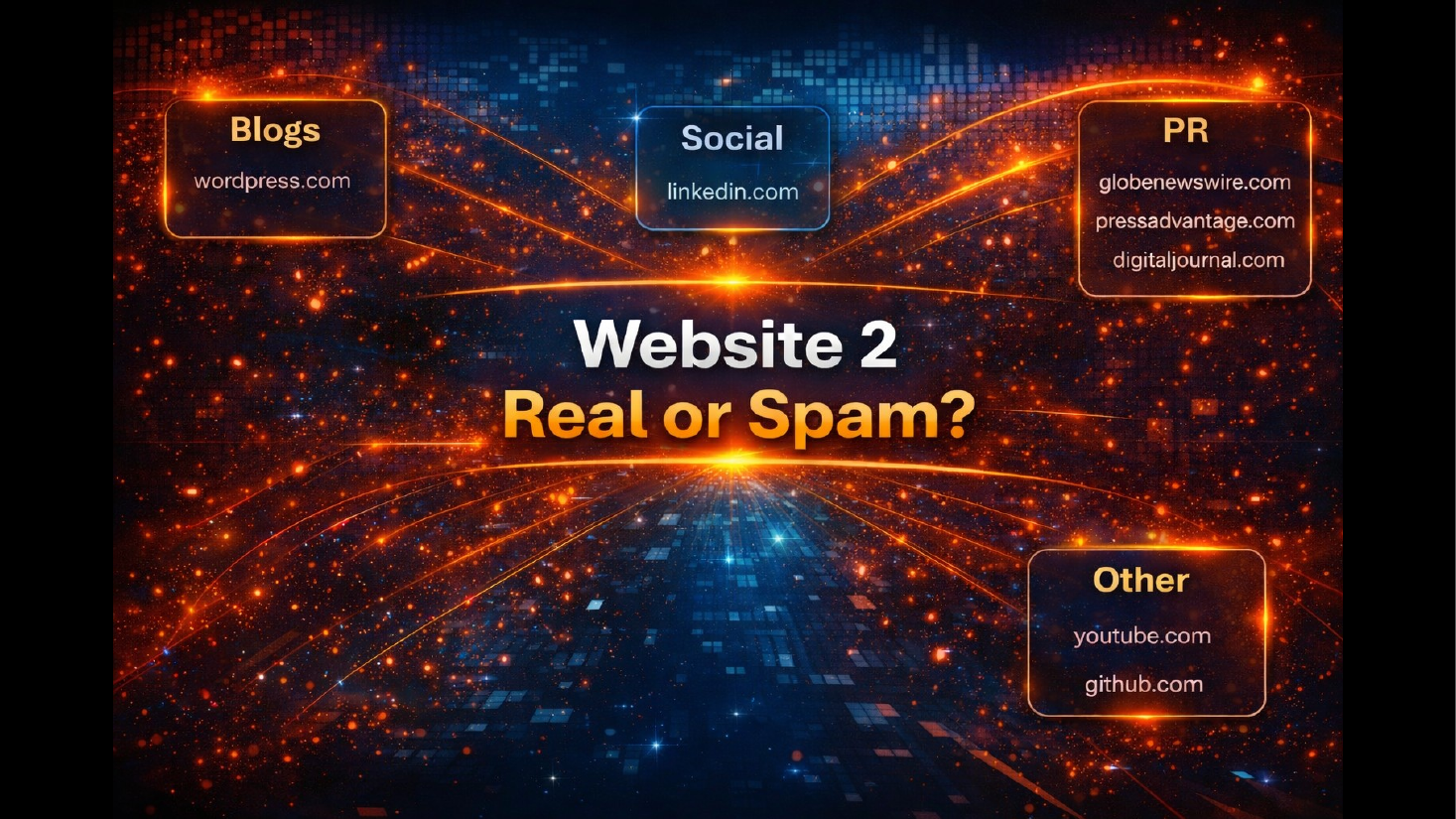
- Social and "long-shot random" URLs appeared right at the top of multiple sites' linking reports; Ted checked three to six sites, all with similar footprints.
- One site had over 100,000 backlinks (also cited as roughly 115,000 and 125,000 during the talk).
- Manual review of about 1,500 URLs found clusters of roughly 6 to 10 (also stated as 8 to 12) examples per grouping. With 100,000-plus URLs, random grouping would give lopsided counts, not even clusters, so Ted reads the clustering as non-random and reflecting Google's own categorization.
- Collaboration angle: export links over time (apps and scripts can do this routinely, per Clint), do it across all clients, and share groupings with other SEOs to reveal what groups Google targets.
AI backlink-clustering workflow (three levels)
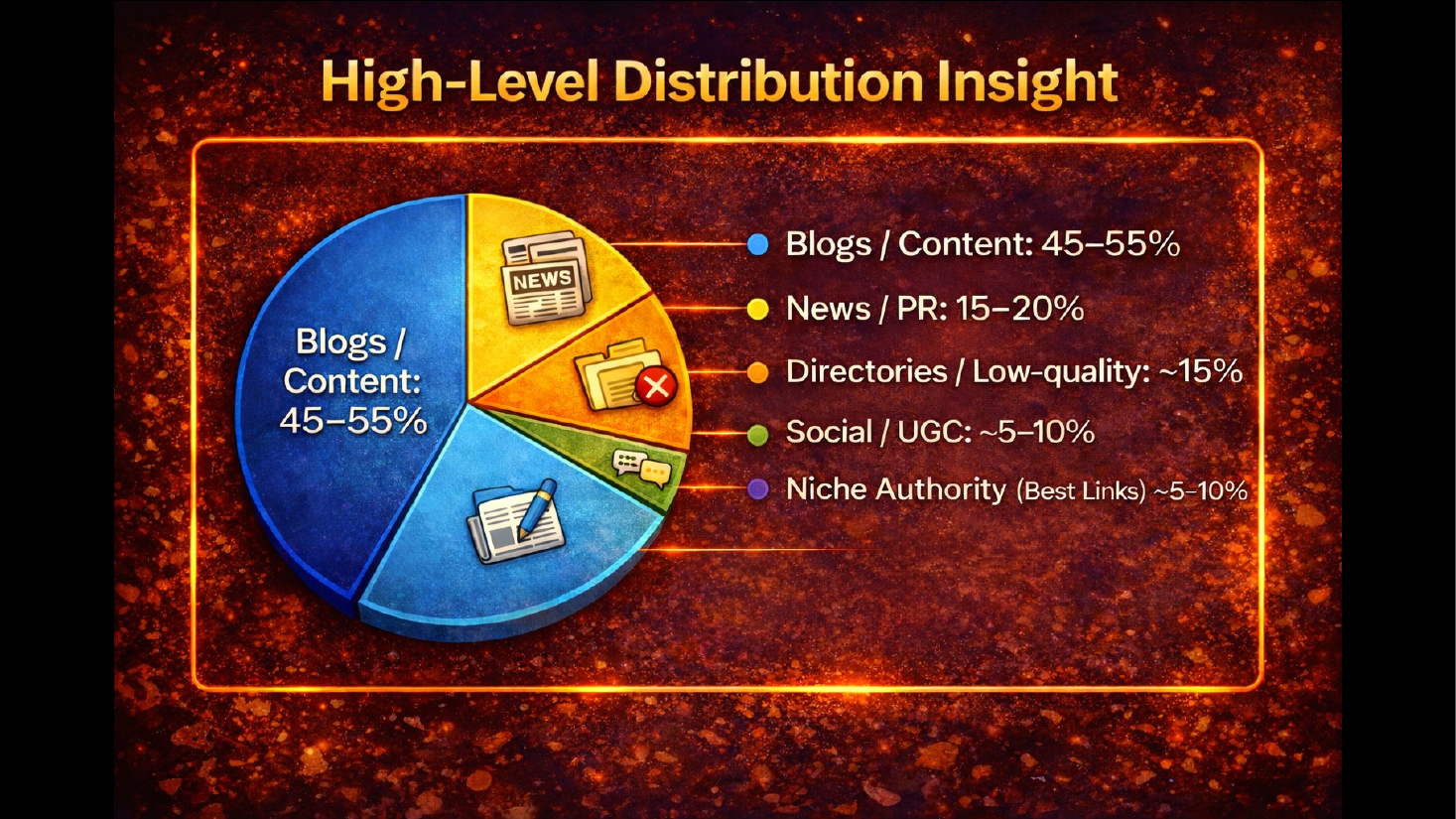
- Level 1 prompt (paraphrase, partially quoted): "Cluster the linking sites below with groupings like social media, news, blogs, merchants, PR, reputation, etc." Input is the pasted Search Console linking-sites export. Output clusters for a roughly 115,000-backlink site included news, blogs, press releases, social media, e-commerce vendors, web spam, reviews and reputation, coupons, scrapers and analytics, Web 2.0s, niche industry, content farms, and article directories.
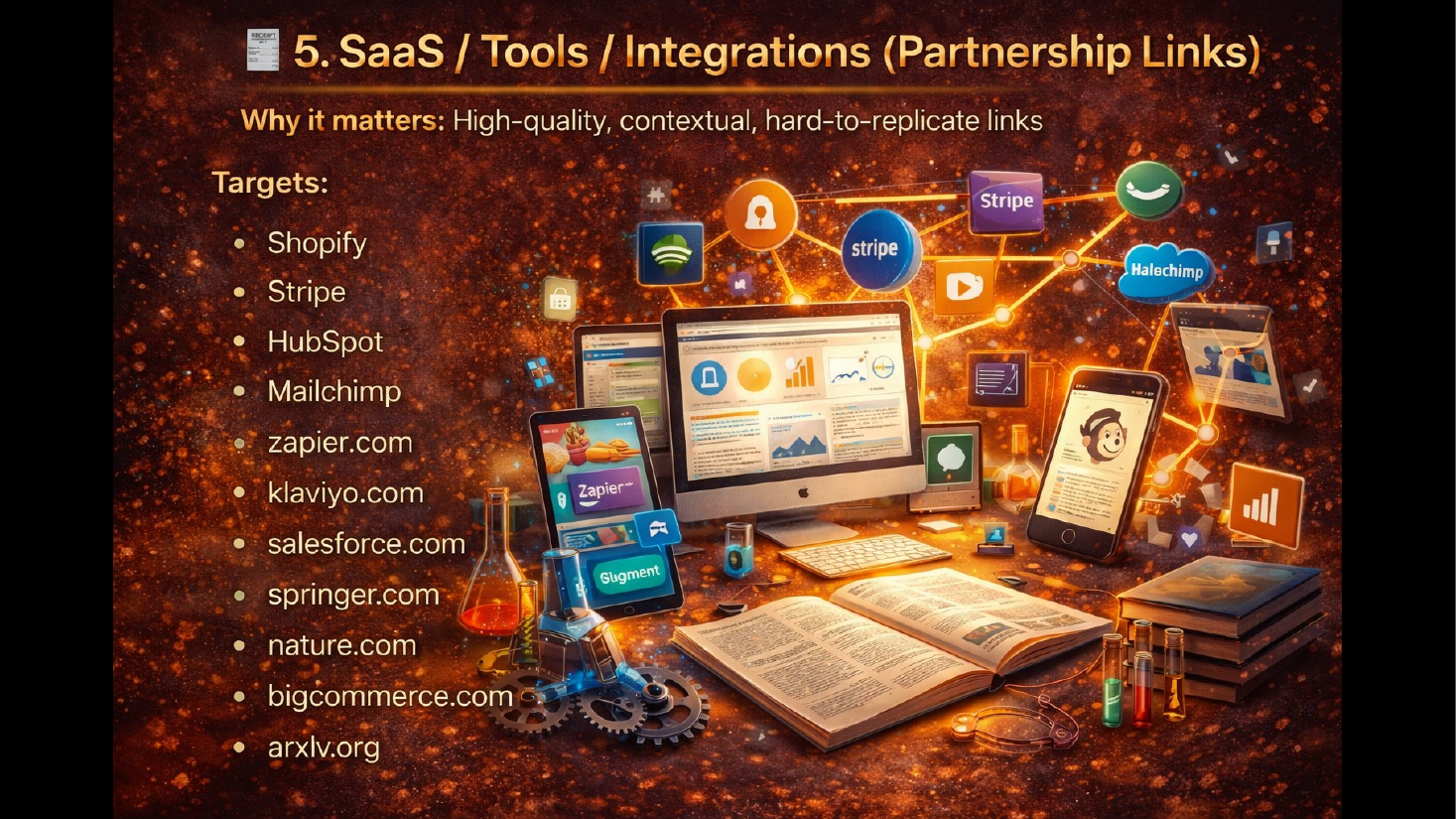
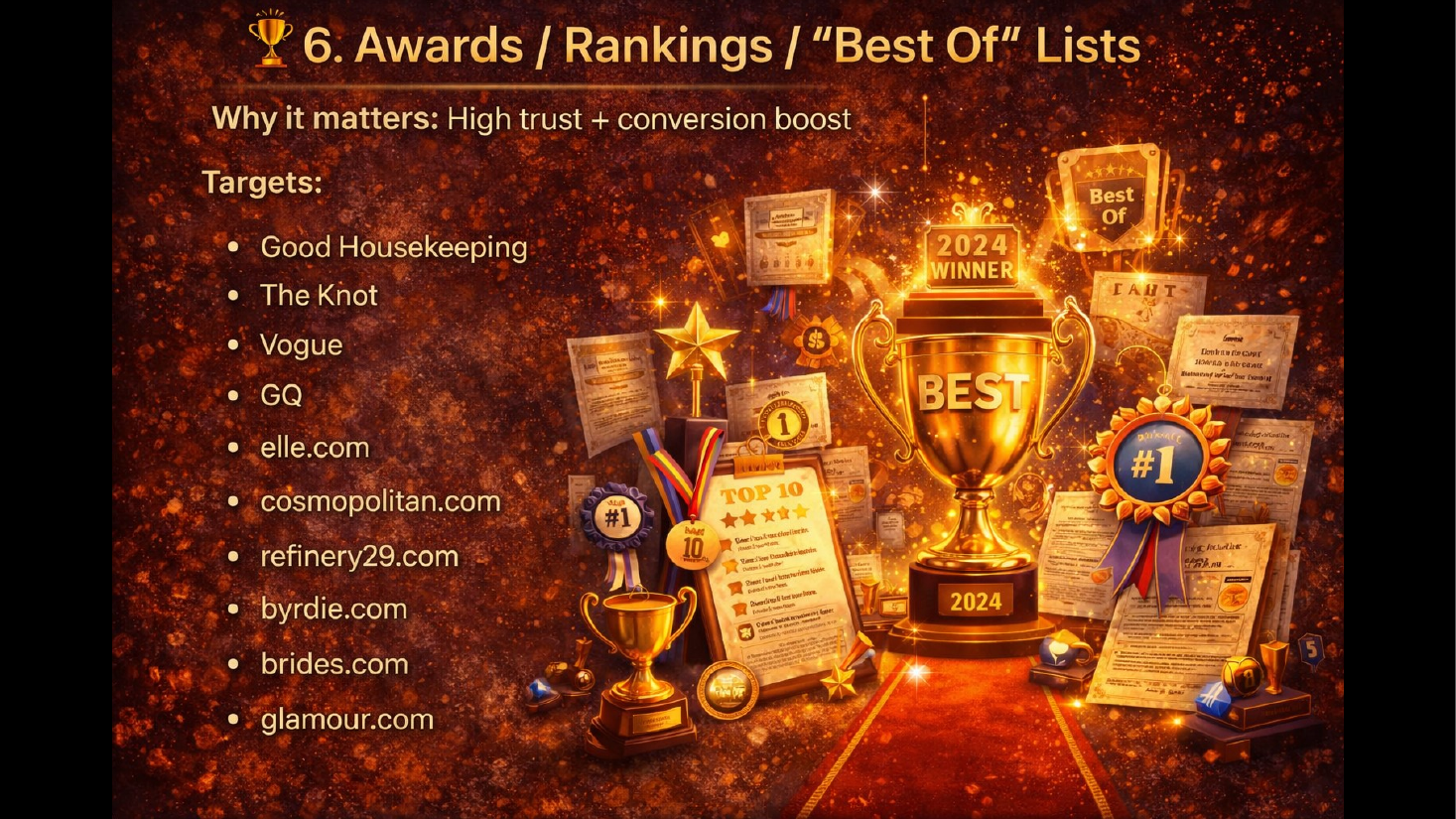
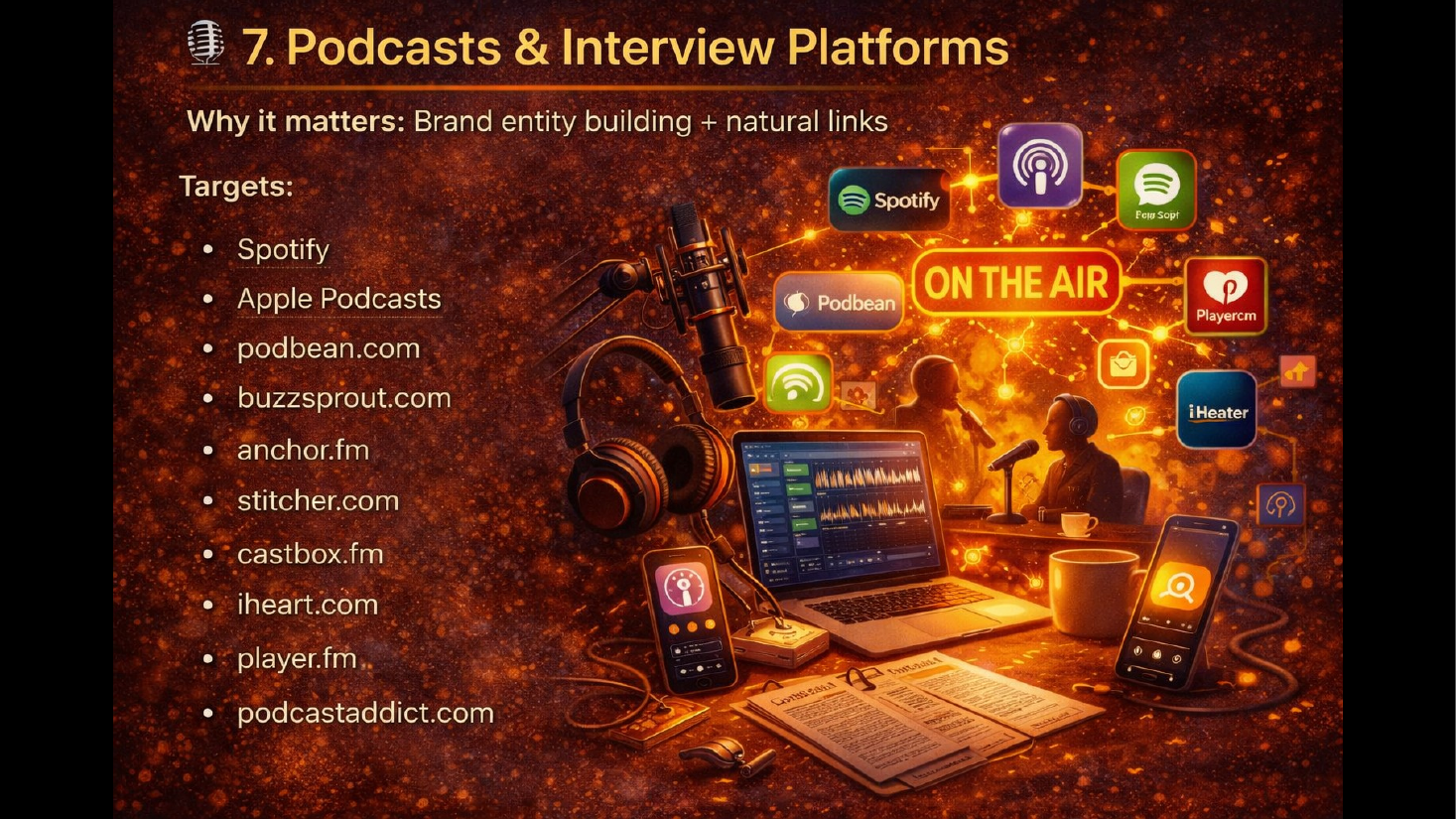
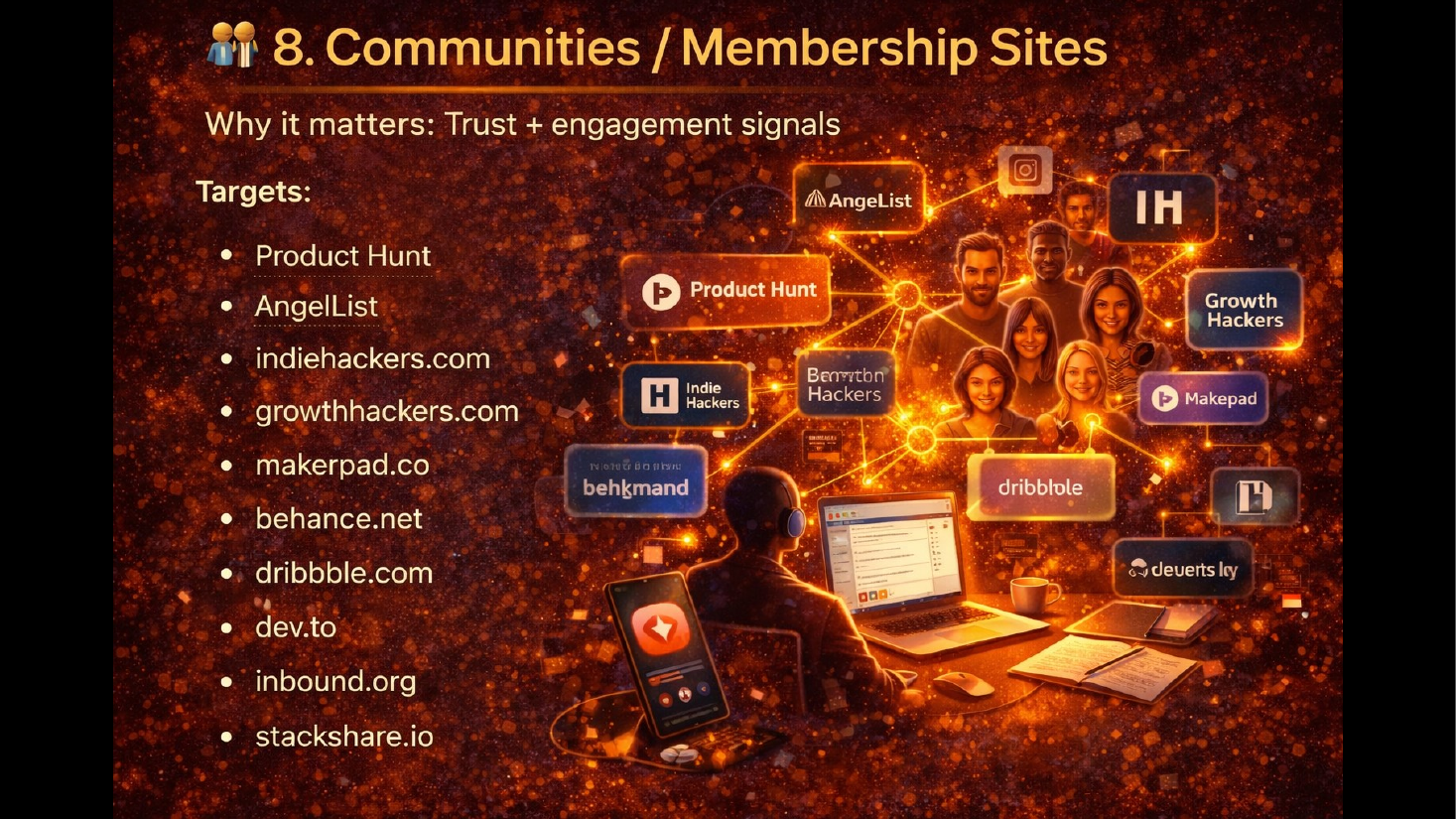
- Level 2 prompt (paraphrase): "Write a list of groupings I could have but don't. Try to list ten example sites for each group." Missing clusters identified: government, video platforms (short videos), expert contributions (Entrepreneur or Forbes contributor writers, "cut a check"), academic, integrations and partnerships, awards and best-of, podcasts, communities.
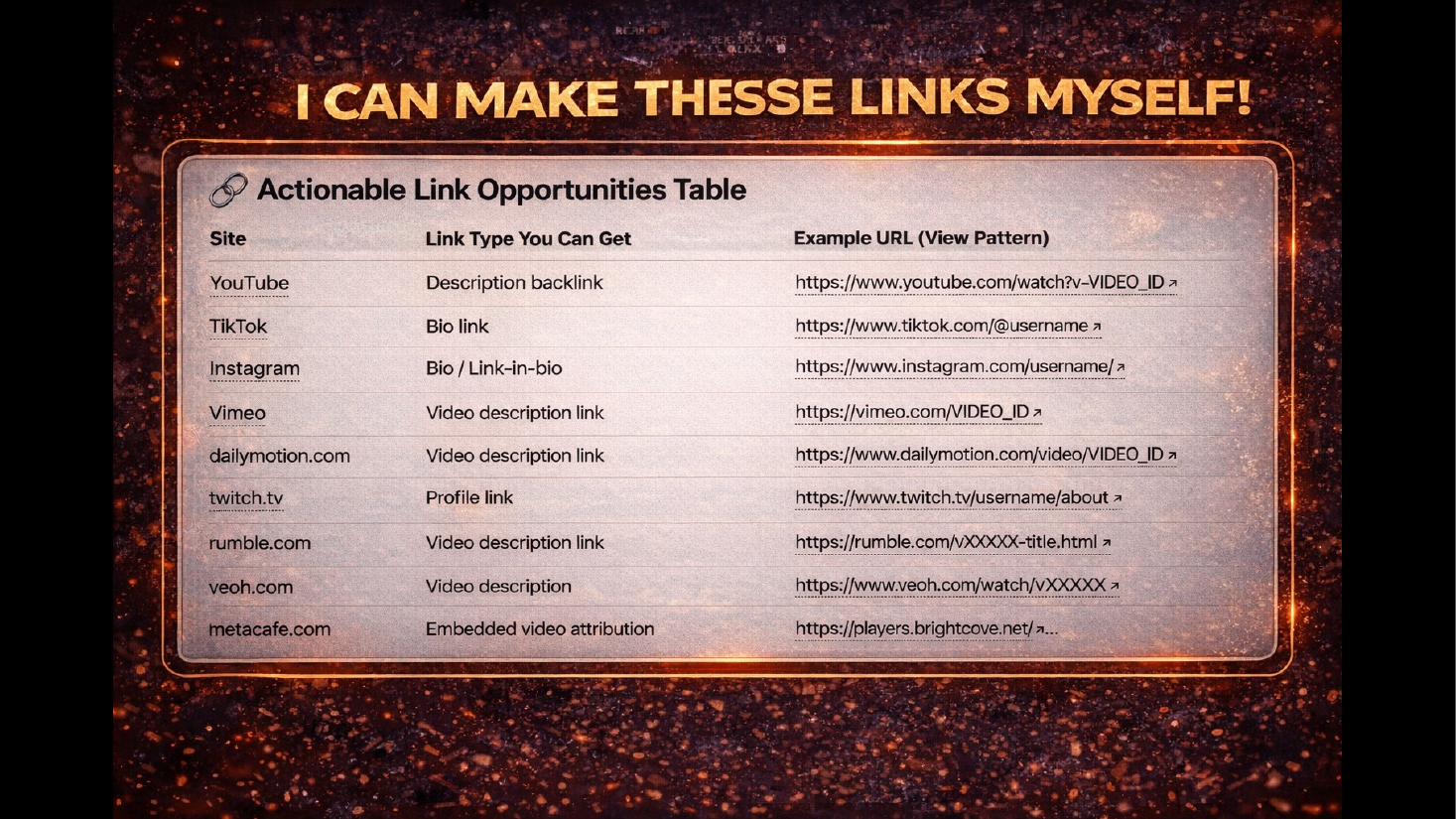
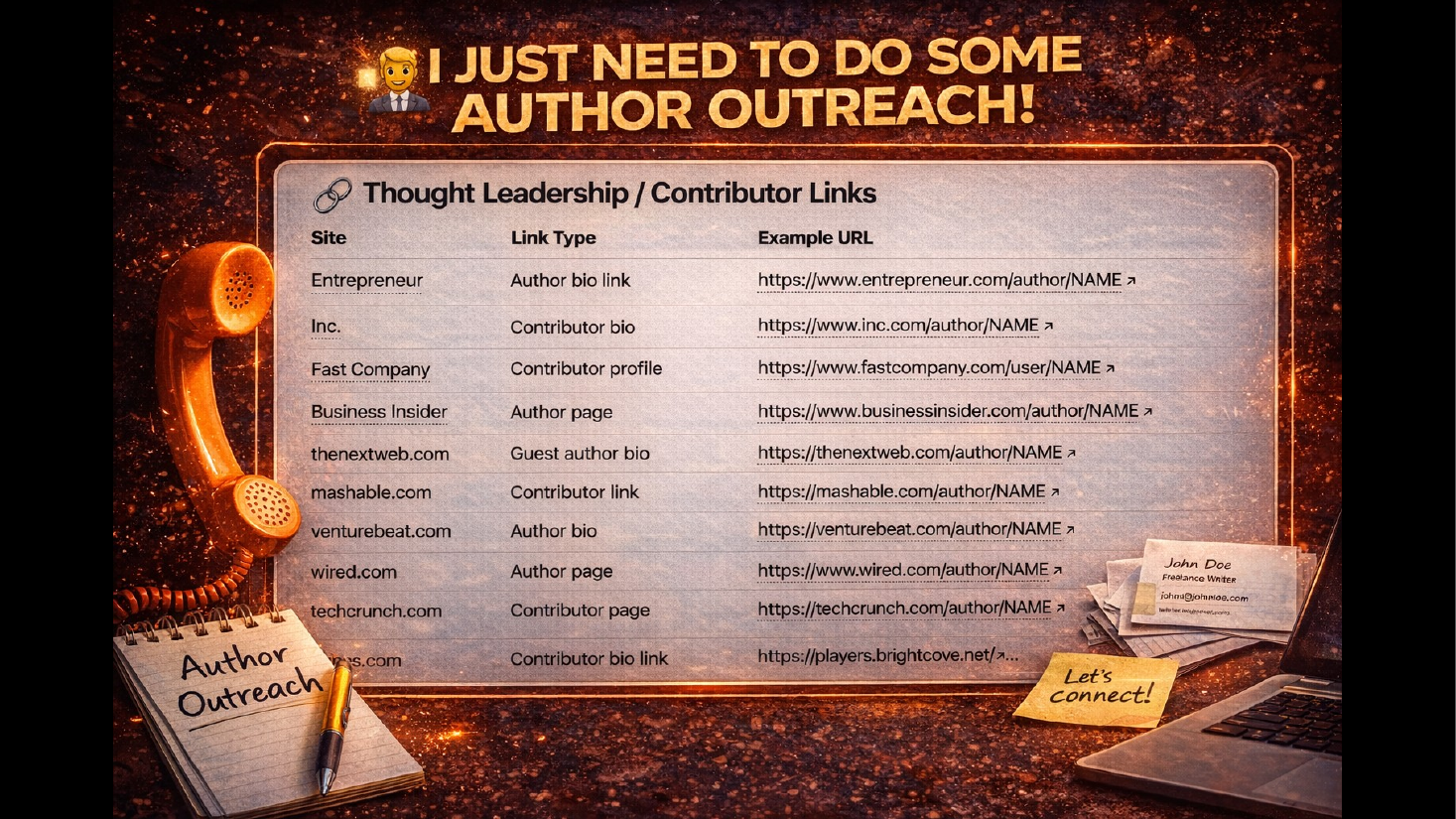
- Level 3 prompt (paraphrase): "Make a table of the example sites and what type of links I could easily get, and a URL that exemplifies the type of link I can view." Output functions as a link-building guidebook.
Actionable link-opportunity types (from the Level 3 table)
- DIY social and video links: YouTube, TikTok, Instagram, Vimeo, and similar; you can make these yourself.
- Thought-leadership contributor links: the table lists URLs plus author names; you reach out directly to those named authors.
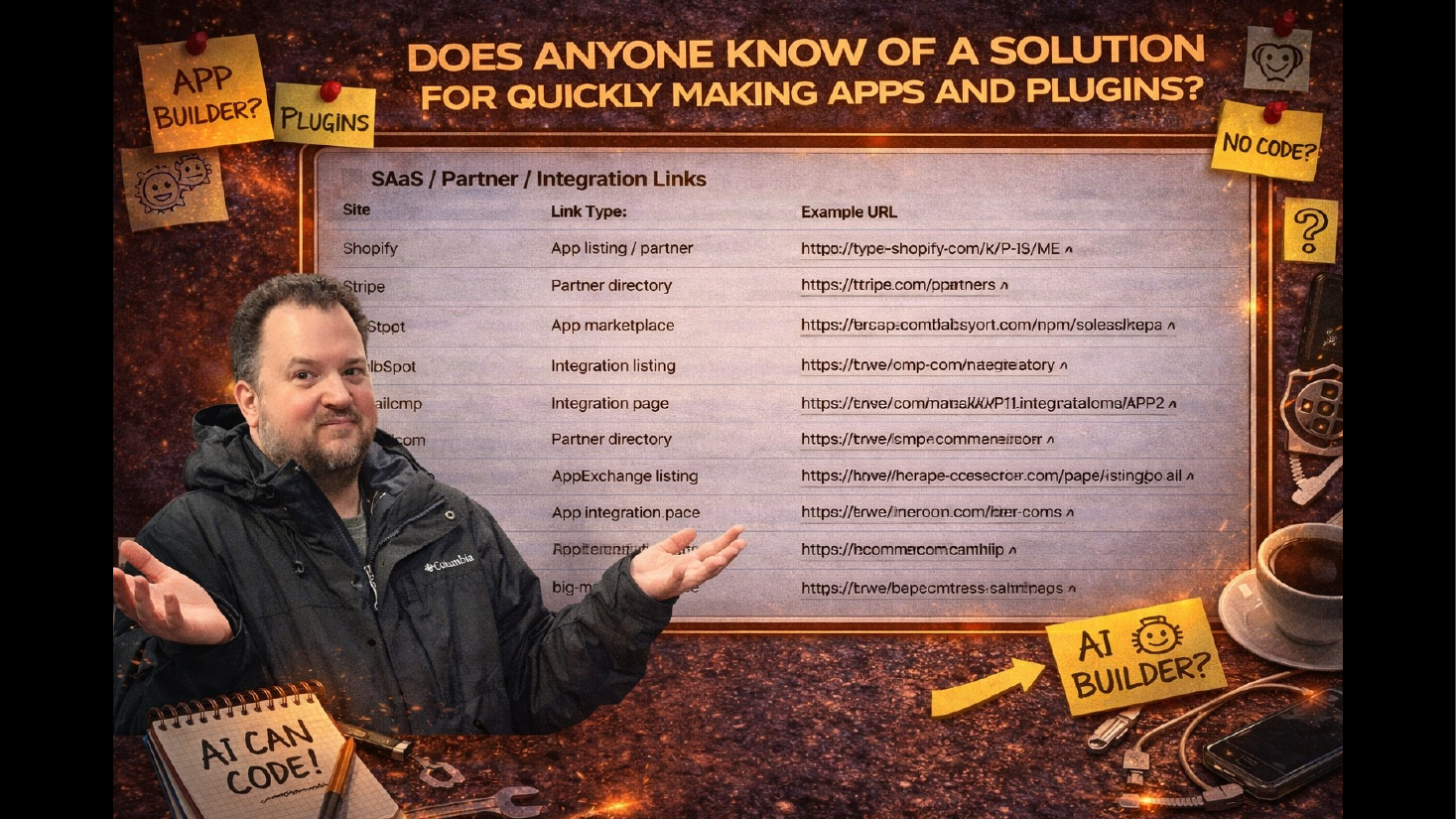
- SaaS partner and integration links: build a simple WordPress plugin, a simple mobile app, or an example file others use; offer something to integrate.
- PAD-file software directories: old "ancient authority" directories of downloadable software that run on PAD files (an XML-type format). Put an AI-built tool into a PAD file, upload it, and you get a link; you can even set the keywords. Find these sites by Googling "submit PAD file."
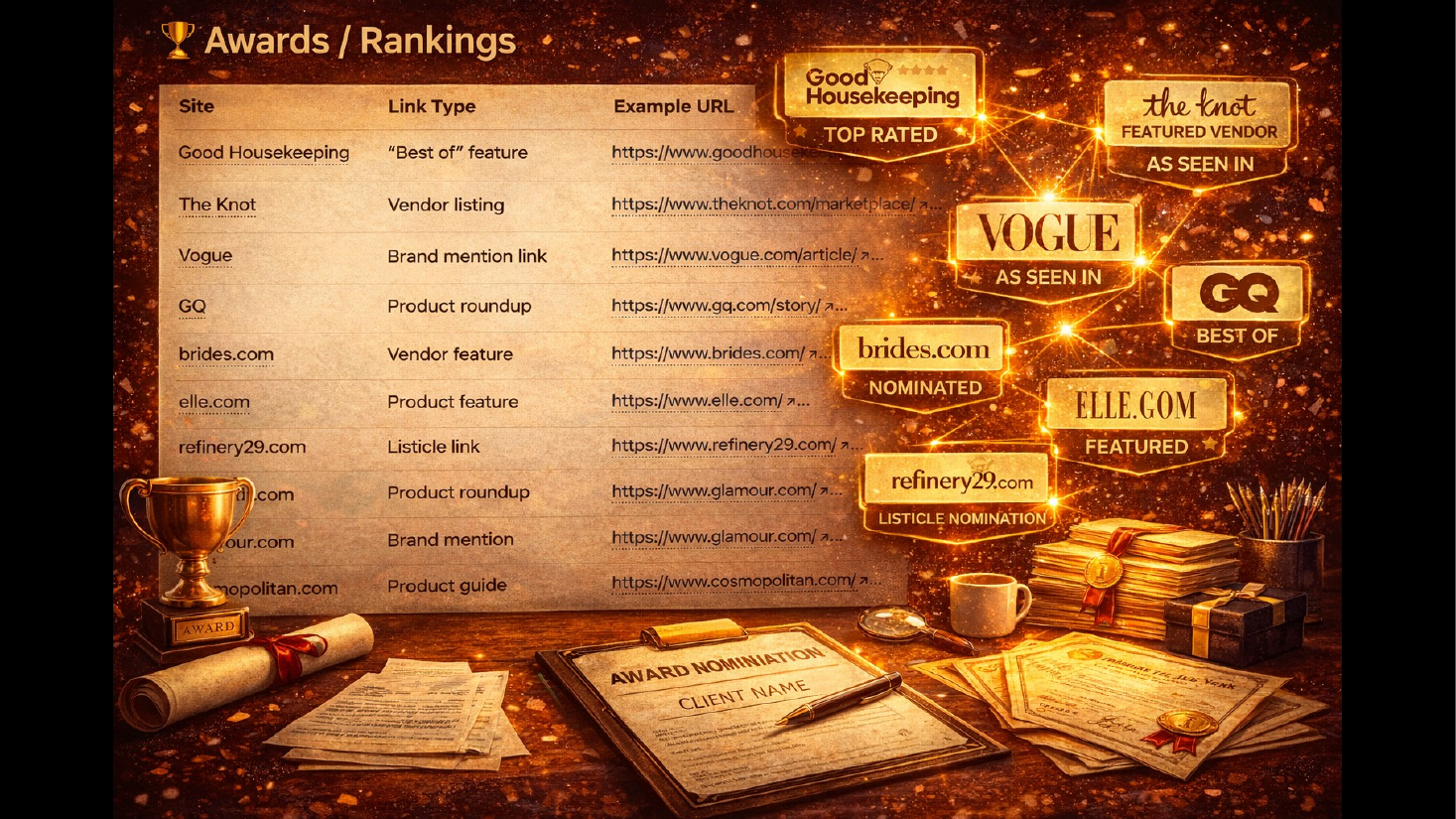
- Awards and best-of: more like gambling; nominate clients (e.g. Good Housekeeping); takes about 30 seconds to nominate.
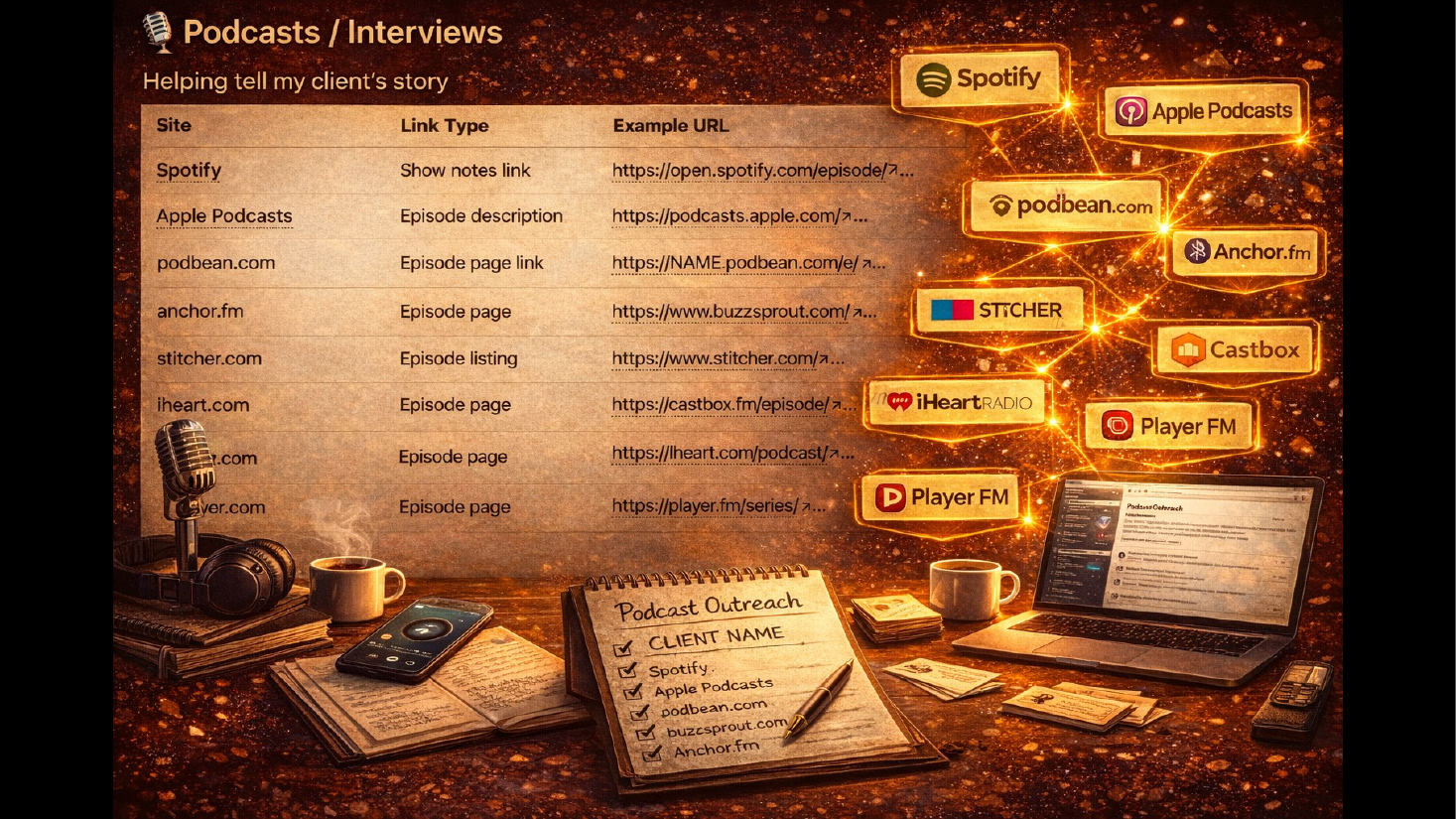
- Podcasts and interviews: help your client tell their story.
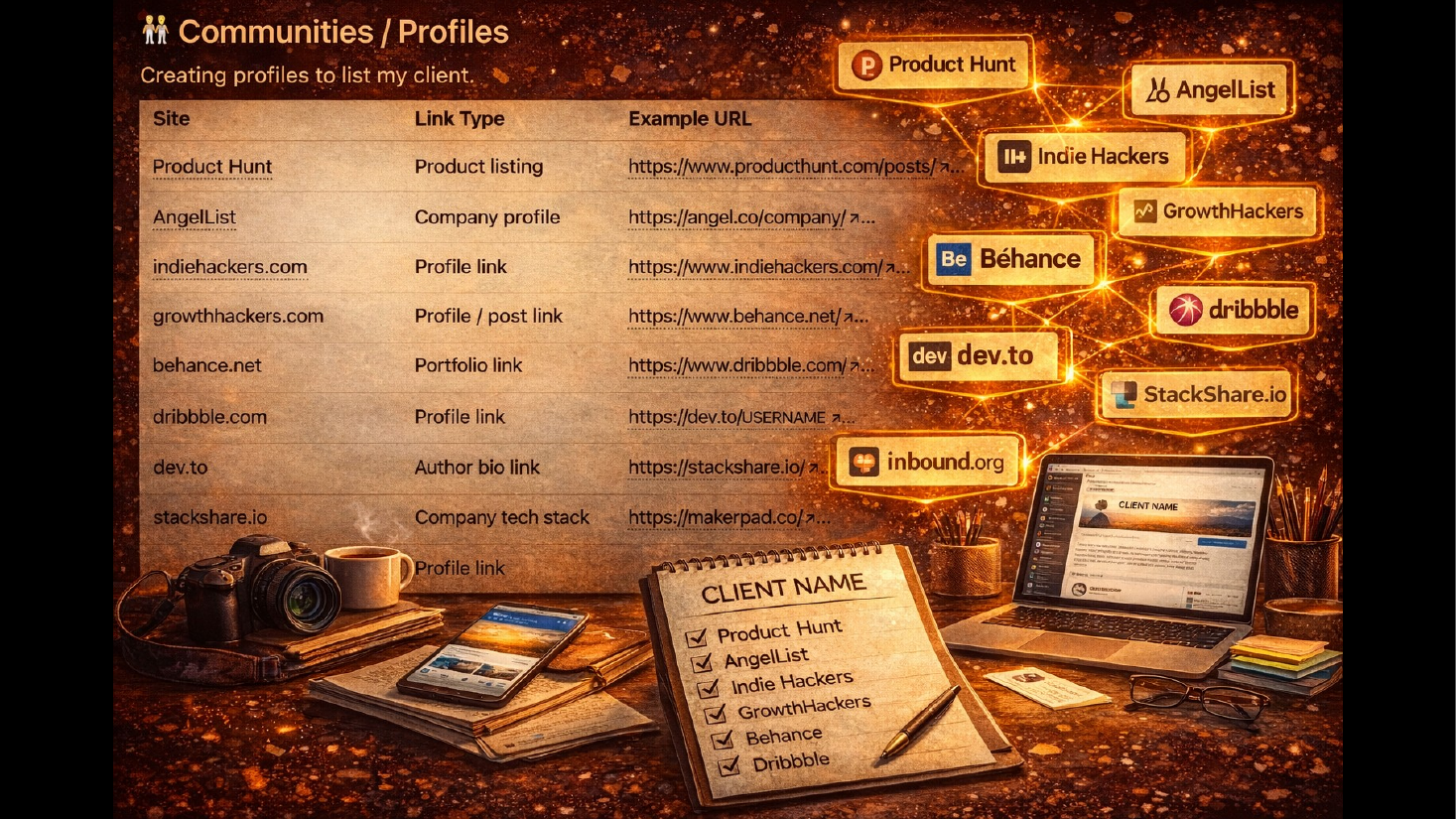
- Communities and profiles: go make them yourself.
- Local and geo: a mixed bag of outreach, paid, and DIY opportunities.
Referring domains as a local SEO play
- A real backlink profile reveals its city. Ted's example footprint was clearly Seattle: Seattle Times, Visit Seattle, Greater Seattle Partners, Seattle.gov, Seattle Chamber, KING 5, My Northwest, Seattle Met, Seattle Business Mag.
- Push it below the city to the neighborhood level; you can even register neighborhood domains and put up one-pagers (example: Magnolia neighborhood pages pointing at the business).
Diversification, closing argument
- Referring domains are a signal Google accidentally tells you you need; pay attention and think multi-channel.
- Other channels deliver traffic that converts because it is more likely human beings, not bots and SEO tools.
- As things get harder for Google, they will give you less free organic traffic.
- Online retail revenue mix when all channels fire (Ted's figures): about 50% of gross revenue from the email marketing list, about 25% from social, plus PPC, with organic about 15% at the height of organic.
- Warning threshold: if organic is about 60% of your gross revenue, you must diversify; "all your eggs in one basket" is "how you get wiped off the planet."
Moderator / introducer (name not given)
- Recommended SEO Fight Club as the best weekly hour in SEO (Tuesdays at 10am Pacific, running seven or eight years).
- Introduced Ted as an industry icon and one of the most known SEO testers in the world, creator of Cora and Cora Light, and noted he learned all his own off-page work from Clint and Ted.
- Stressed that Ted only gives these presentations at SEO Spring Training, not at Rock Star or his other events.
Named people, tools, formats
- People: Ted Kubaitis (presenter); Clint (BI-minded off-page collaborator, full name not given); Bianca Kubaitis (deck slide-1 credit). Charles and Chris were named in passing and are not part of this session's content.
- Tools and software: Cora, Cora Light, Google Search Console, Google Merchant Center, an unnamed self-managing PHP microsite script.
- Formats and mechanisms: Merchant Center product feed, PAD files (XML format for software directories), AI link clustering.
- Resource: SEO Fight Club (Tuesdays 10am Pacific).
Slides
Slides (36)






Note: the deck text export captured almost no on-slide text, and Ted himself said his slides contain "almost nothing of value" except "a couple really bad prompts," so the substance above comes from the talk rather than the slides.
Source
Synthesized from the Day 3 conference recording and the accompanying deck (TedK-SEOST-2026.pptx, slides exported as tedk-seost-2026/slide-01.png through slide-36.png).